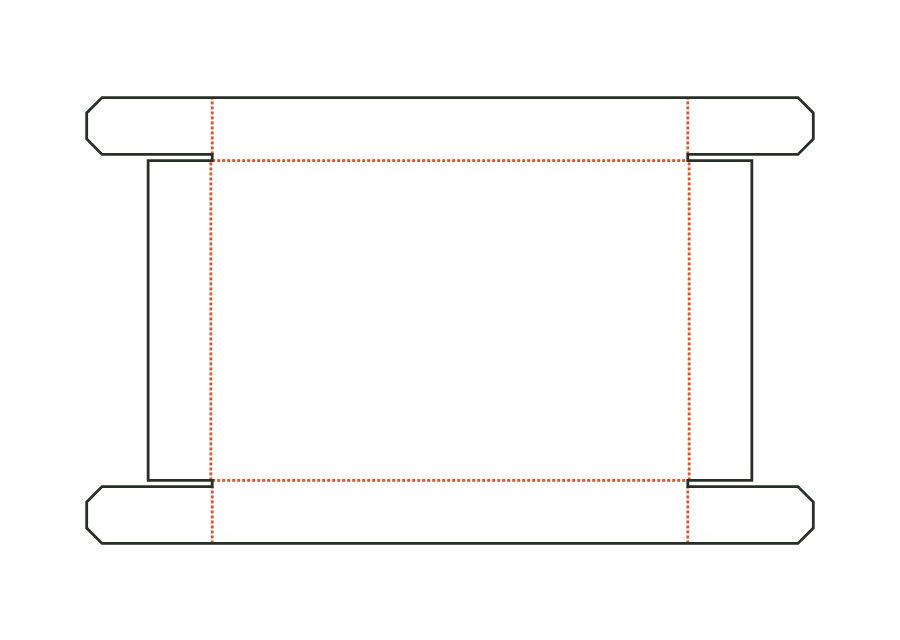
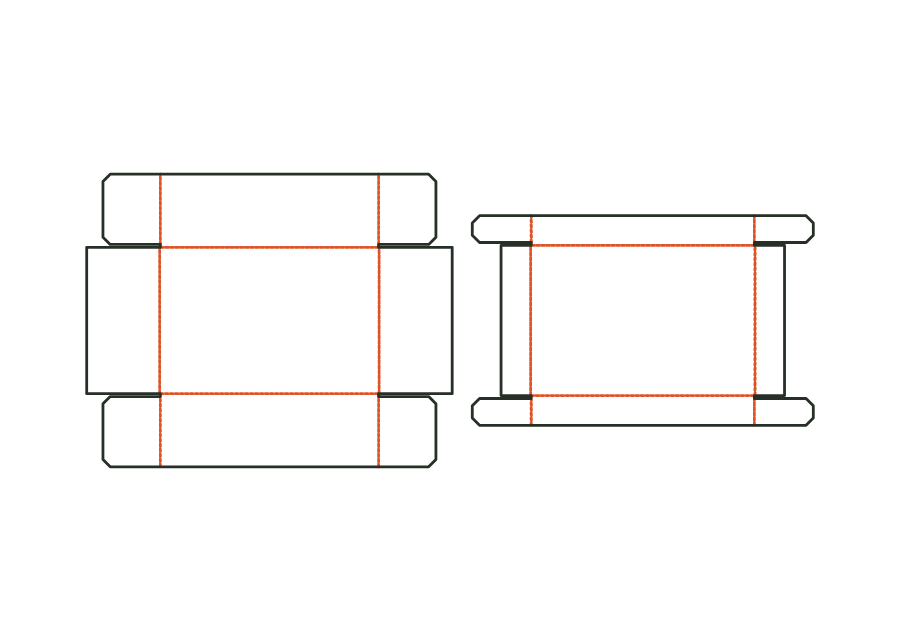
Seal-end closures, dispensing openings and inserts extend classic folding cartons. Check glue areas, openings and product retention separately. The insert holds the product while the outer carton provides graphics and closure.
6Constructions, components and assemblies
Individual components are shown separately. Different sizes and stored template versions are not additional packaging shapes.
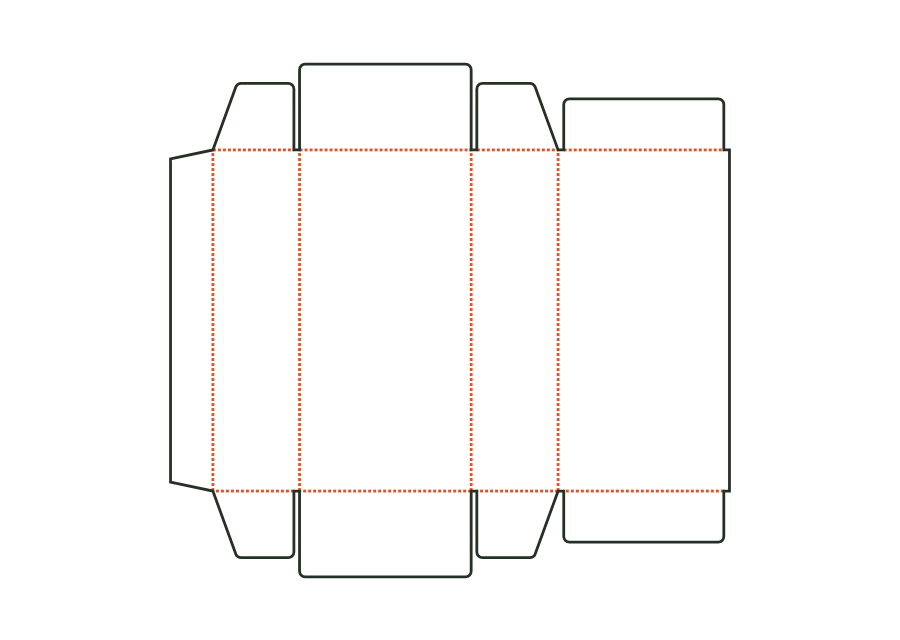
Folding carton with a side seam and glued closures at the top and bottom (Seal End) instead of tuck flaps: outer flap on the front, inner flap on the back, dust flaps on the sides. For pharmaceutical and food products; opened by tearing.
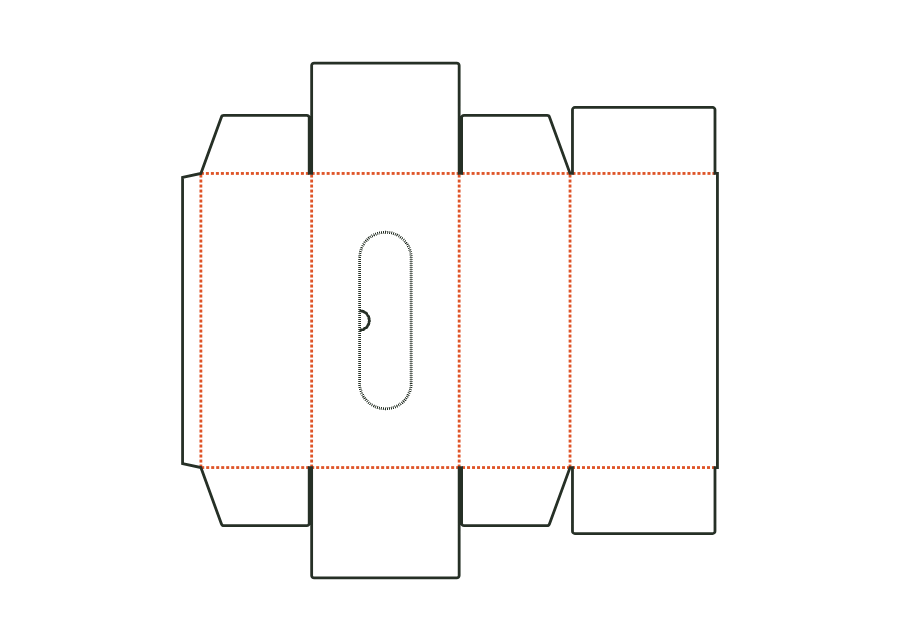
Horizontal box for facial tissues and handkerchiefs: body with side seam, glued end closures (Seal End), perforated dispensing opening in the top (oblong slot or rectangle) with thumb notch. Dimensions: length × top width × height.
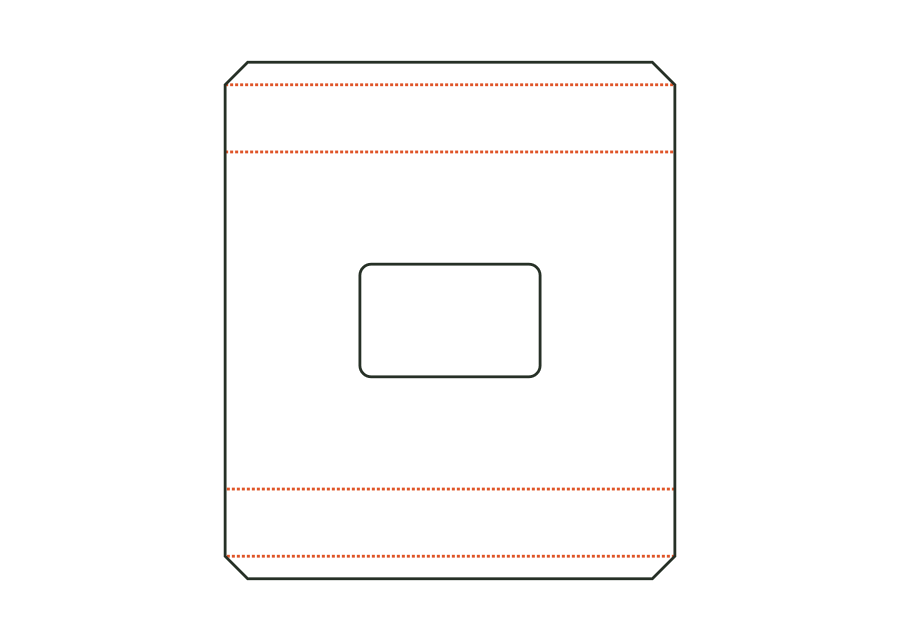
Board insert for a box: platform with a freely positioned product cutout (rectangle, circle or oval) on folded-down feet at two or four edges, optionally with inward-folded foot tabs. Dimensions: insert outside dimensions (box inside dimensions) × platform height.
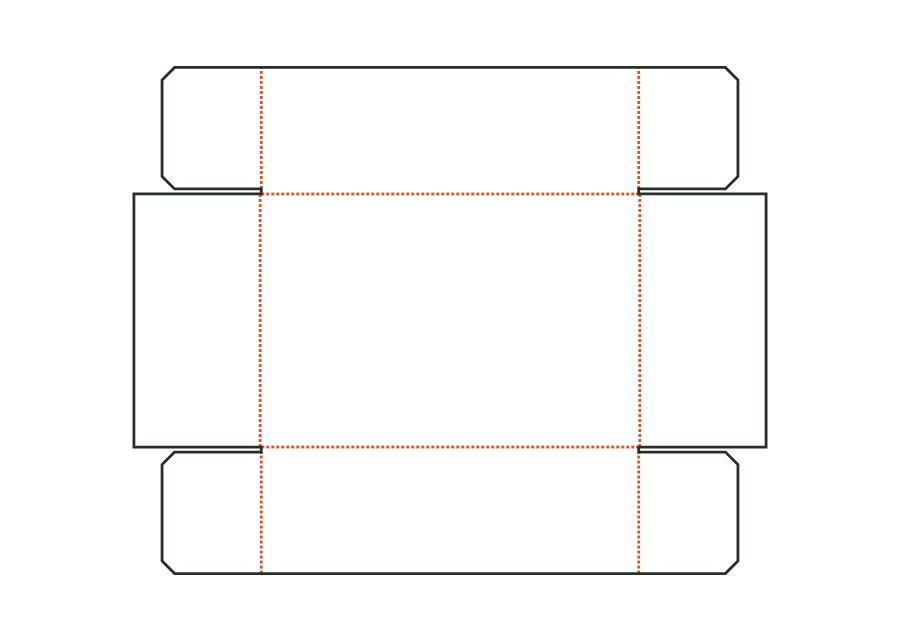
Lower part of the telescopic box made from folding boxboard: base with four walls and glued corner flaps, same design as the corrugated telescopic box, for smaller gift and chocolate boxes.
Base and telescope lid in folding boxboard form one assembly. Both parts have glued corner flaps; the lid follows the outside dimensions of the base plus clearance per side. For gift and chocolate boxes.
 JetDieline