Bottom curl allowance
Extension of the wall below the cup base, curled around the base disc's skirt; measured along the slant height.
 JetDieline
Food and hospitality / JETDIELINE
Calculate the conical wall of a paperboard cup from rim diameter, base diameter and finished height. The annular sector includes the glue seam and separate allowances for the bottom curl and top rolled rim.
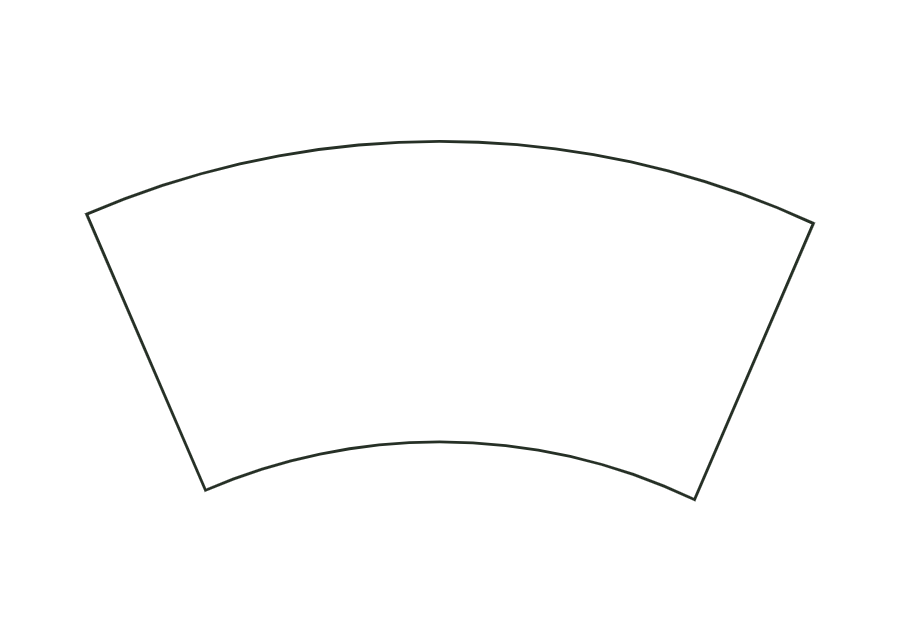
cone.cup.wrapThe side wall is an annular sector with a constant-width glue seam. Base and rim lines are annotation lines. Curl allowances extend the development along the slant height; they do not change the entered finished cup height.
Place the wall around a conical mandrel and glue the seam. Insert the base disc, curl the bottom allowance around its skirt and press; roll the rim outwards.
Grain direction unconfirmed: along the circumference, the rim and base roll more easily; along the generatrix, the wall is stiffer (check with the cup manufacturer).
Test fit, folding and closure on a sample made from the intended material. Confirm material thickness, grain direction and production steps with your printer.
Compare openings and closures for your food product. Check direct-contact material, moisture and grease resistance with the manufacturer.
Outside dimension
These dimensions describe the preview, not a fixed packaging size. The app recalculates the dieline for your own dimensions.
Extension of the wall below the cup base, curled around the base disc's skirt; measured along the slant height.
Extension of the wall above the cup rim, rolled into the rim; measured along the slant height.
For this wall, the diameters are outside dimensions of the finished cup at the rim and base. Height runs from base to rim. Curl allowances are added only in the development. Do not use diameters from the flat contour as cup dimensions; measure or define the finished shape.
No. This ID describes the side wall with bottom curl allowance. For assembly, insert a separate base disc with a suitable skirt and curl the wall around it. The disc is not part of the export shown. Agree its fit and connection to the wall with the cup manufacturer on a sample.
They mark the base and rim of the finished cup before curling. The contour extends beyond them at the bottom and top by the respective allowances. The markings are annotation lines, not creases. When receiving the production file, the manufacturer must know their meaning and decide whether they are needed in its own process.
Find the right packaging shape and fit it to your product
Design the artwork directly on the real dieline
Spot problems before you pass on files
Files your printer can trace
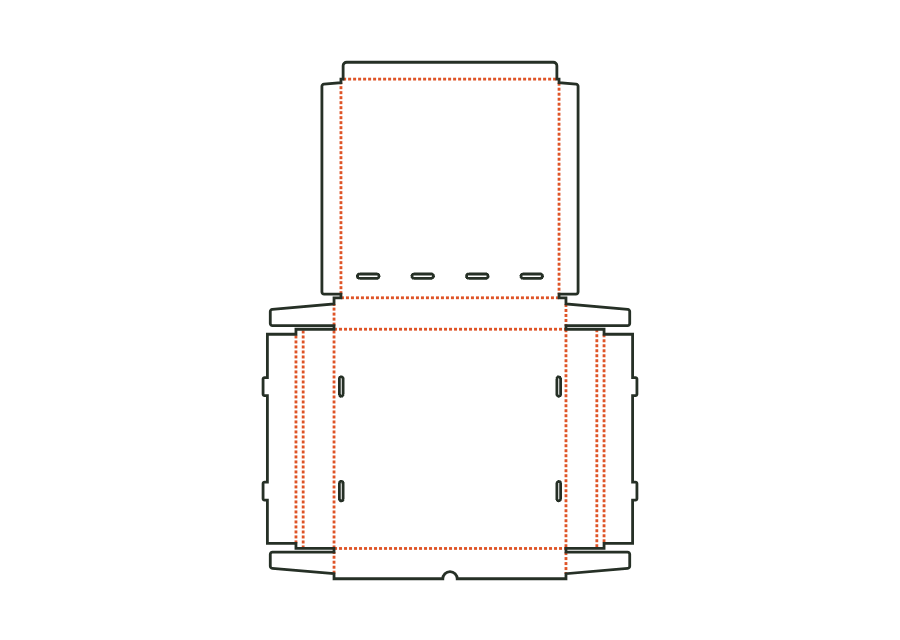
The pizza box is made from one blank with double side walls, interlocking corners and a hinged lid. Inside dimensions determine the space for the pizza; ventilation slots and locking tabs are separate parameters.
carton.pizzaView templateThe clamshell tray combines a base with glued corners and a lid hinged to the back wall. You choose a tuck flap or tab-and-slot closure and calculate either from inside or outside dimensions.
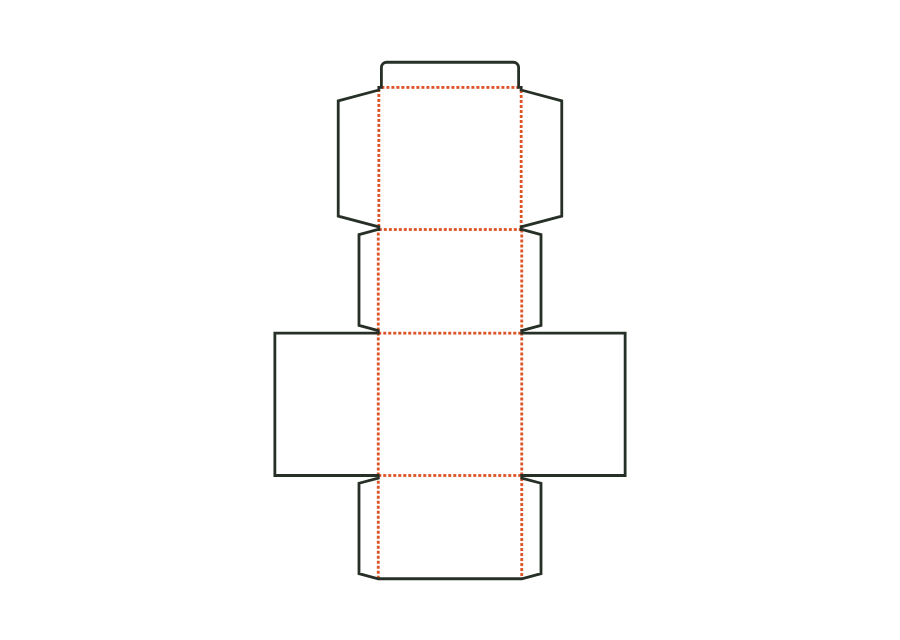
carton.tray.hingedView templateThe takeout box has outward-sloping front and back walls, glued corners and a folding lid with tuck flap. Inside width and outside width have different reference points.
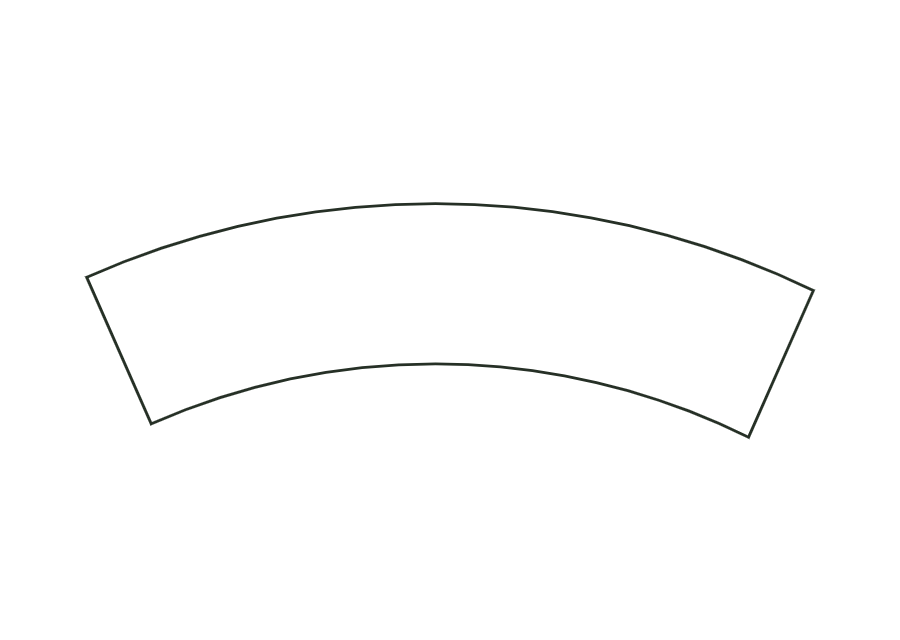
carton.takeoutView templateThe cup sleeve is an annular sector with a glue flap for an existing tapered cup. You measure the diameters at the top and bottom edges of the sleeve and its vertical height.
sleeve.cupView templateWith JetDieline, choose a suitable template, adjust its size, and place text, logos, and images directly on your packaging.
Try your dimensions