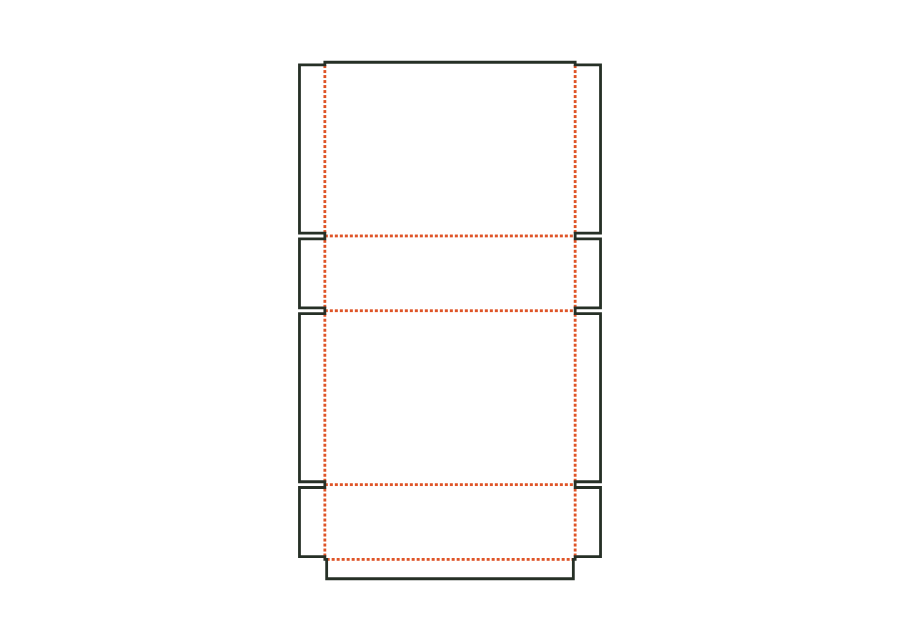
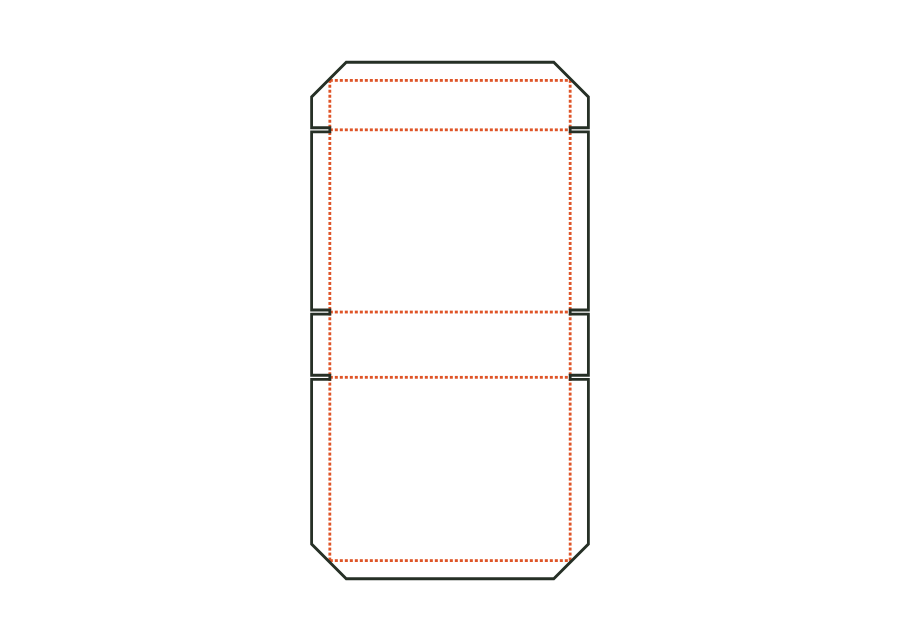
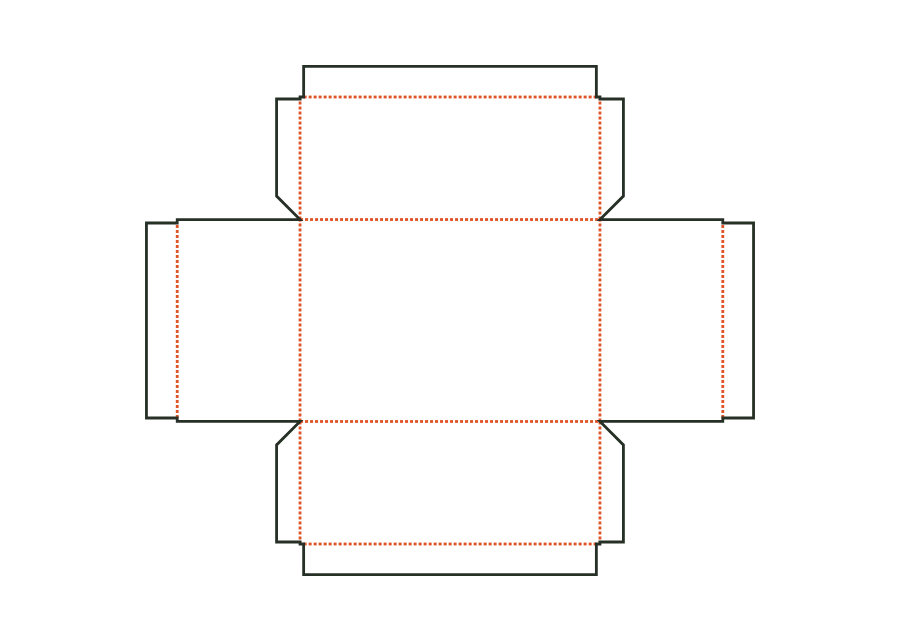
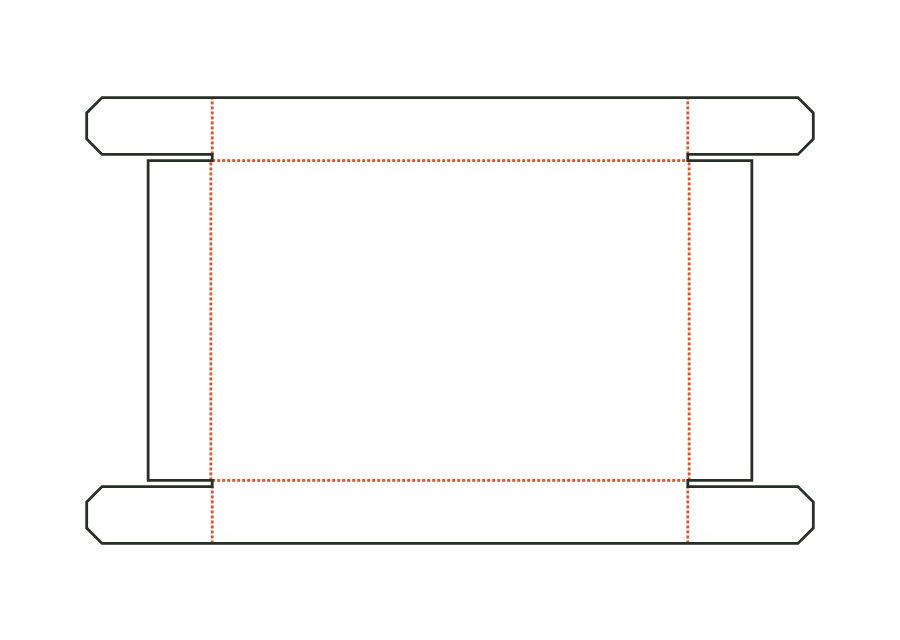
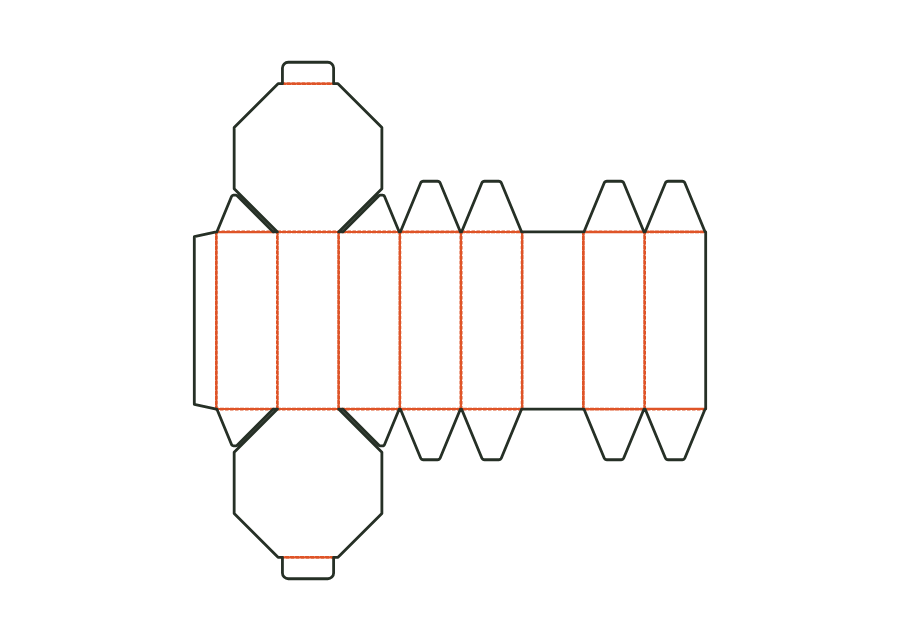
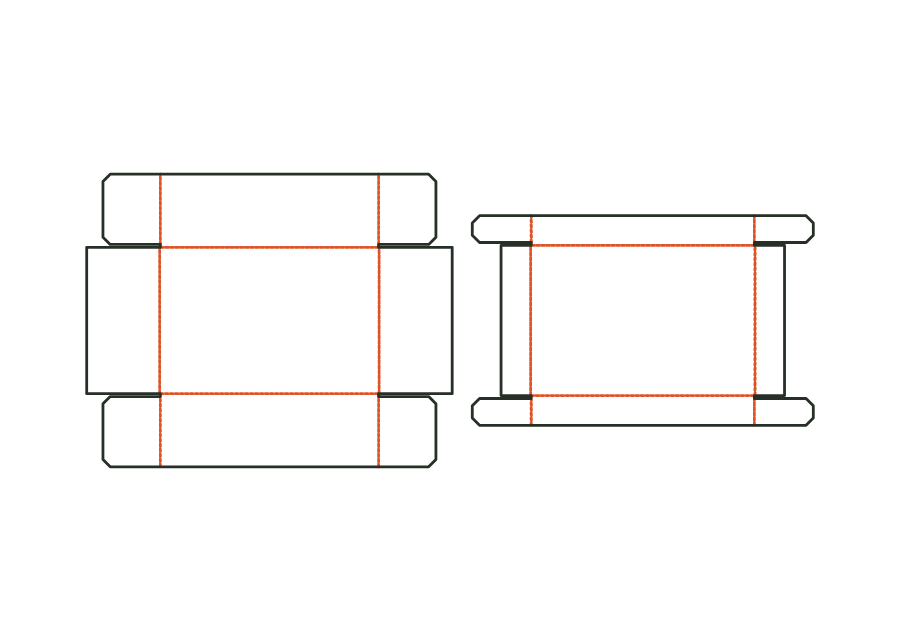
Straight tuck-end box
Blank, creases and flaps are calculated from inside dimensions. The results are artwork PDF, production dieline and production sheet for the printer.
carton.tuckend.straightView template JetDieline
JETDIELINE / Templates
Match the carton to a bottle, jar or product set. Compare classic folding cartons, inserts and gift packaging with several parts. Check clearance and the position of logos and required text.
Individual components are shown separately. Different sizes and stored template versions are not additional packaging shapes.
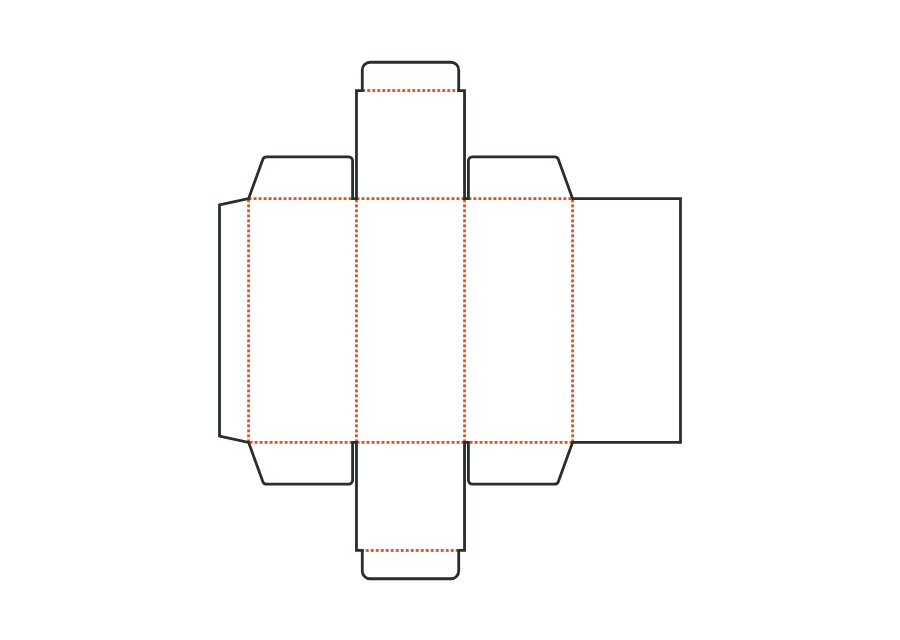 carton.tuckend.straight
Blank, creases and flaps are calculated from inside dimensions. The results are artwork PDF, production dieline and production sheet for the printer.
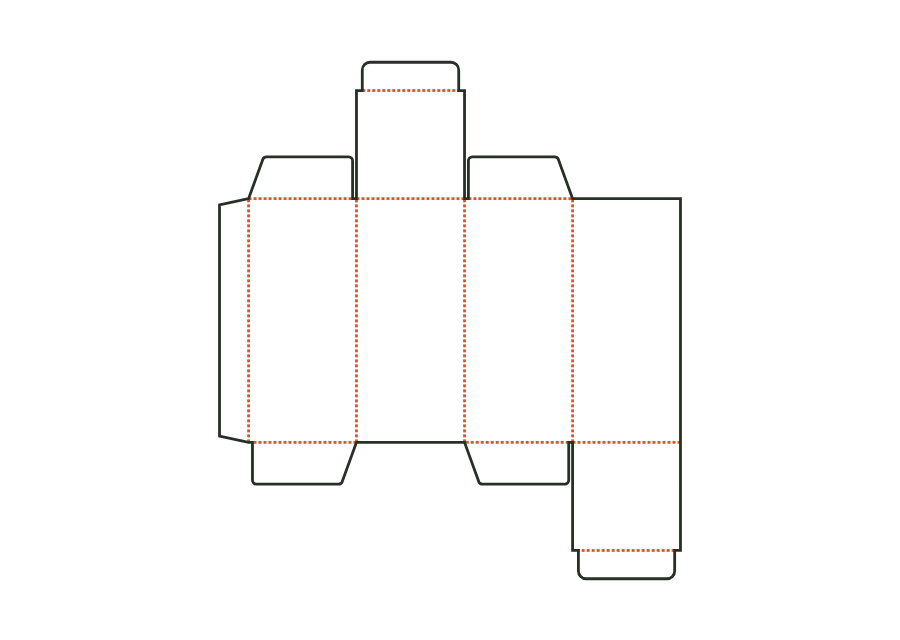
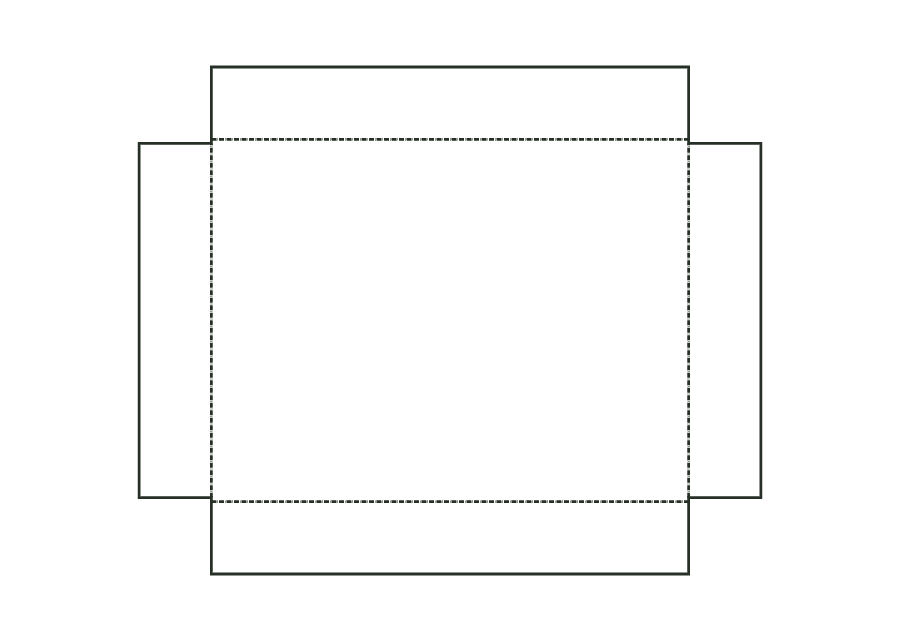
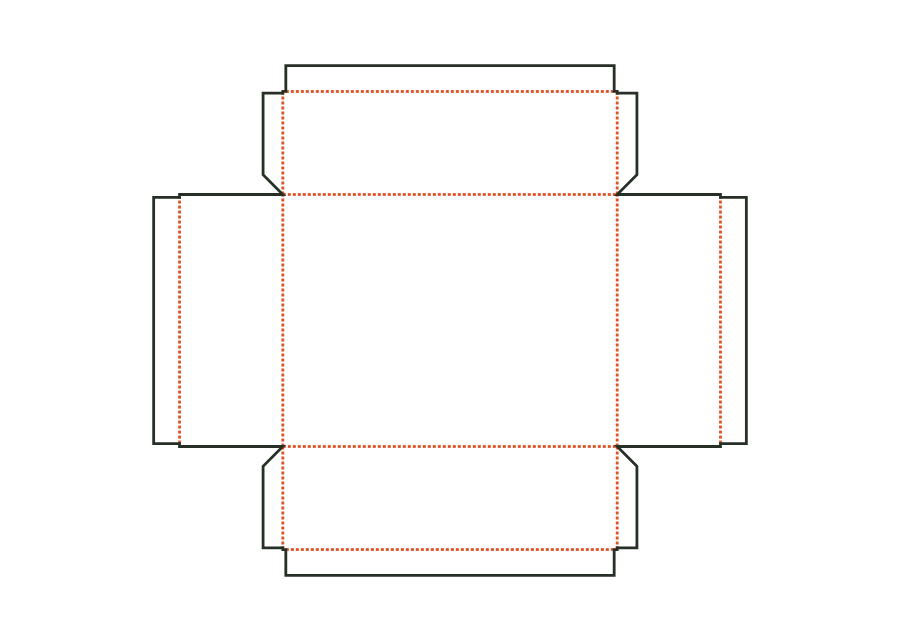
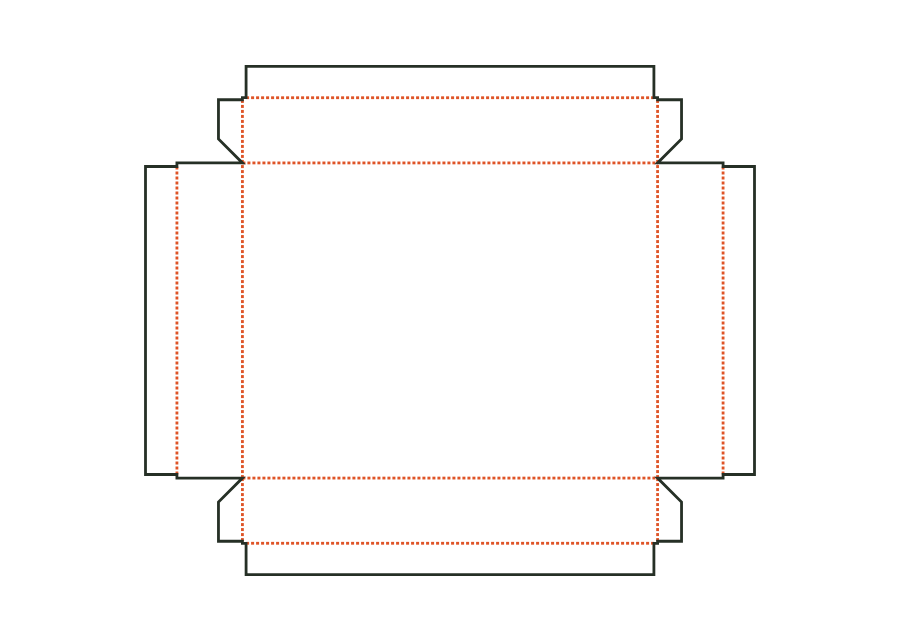
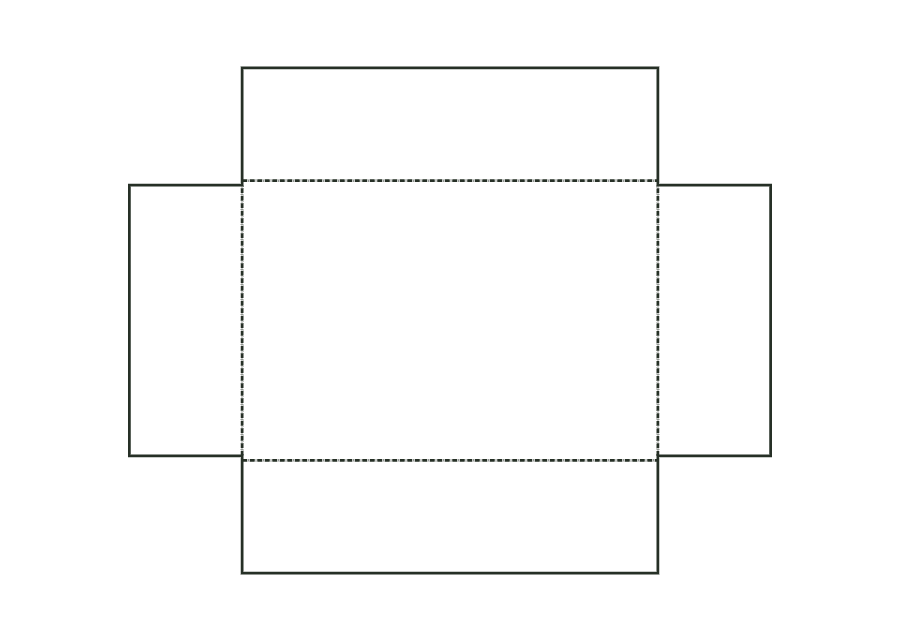
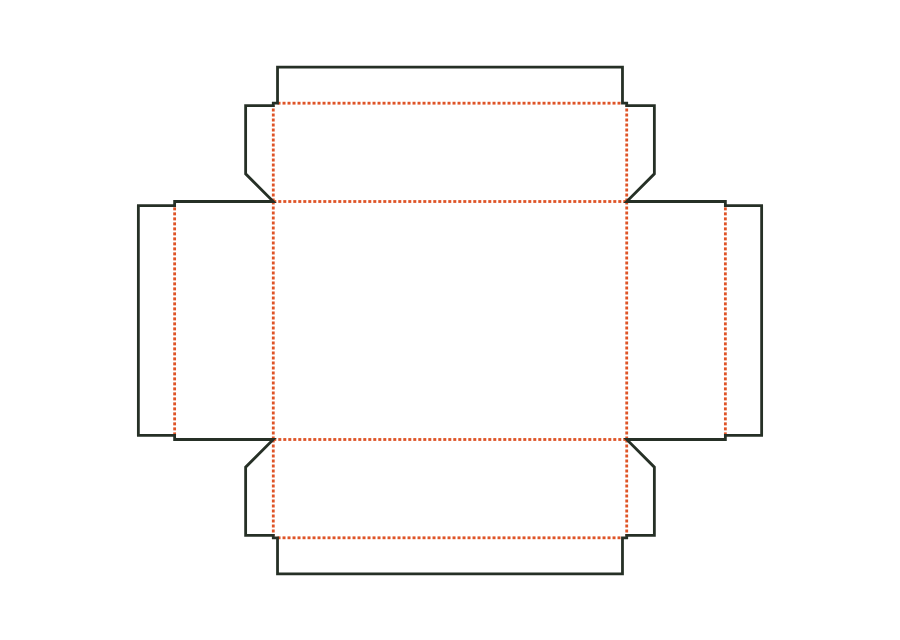
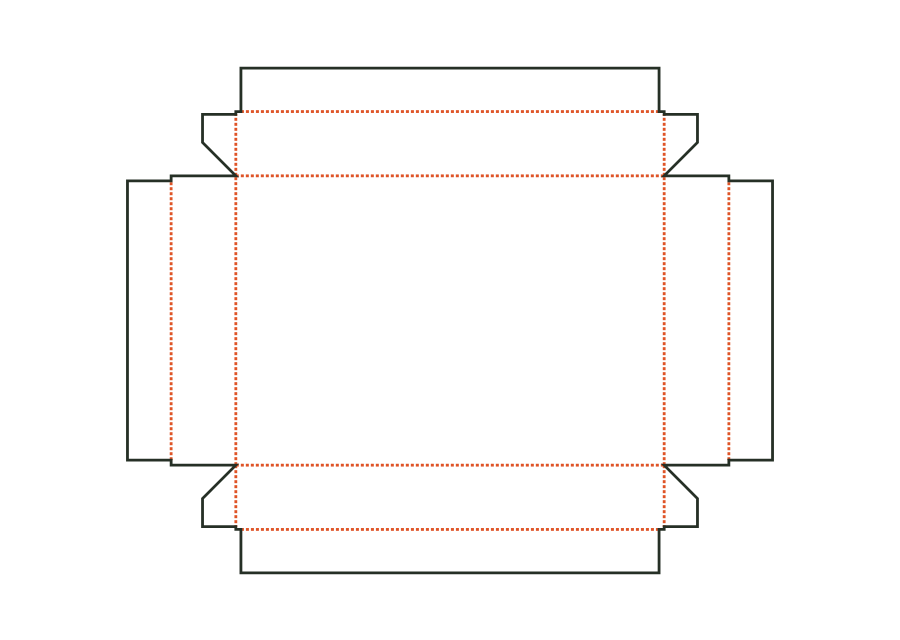
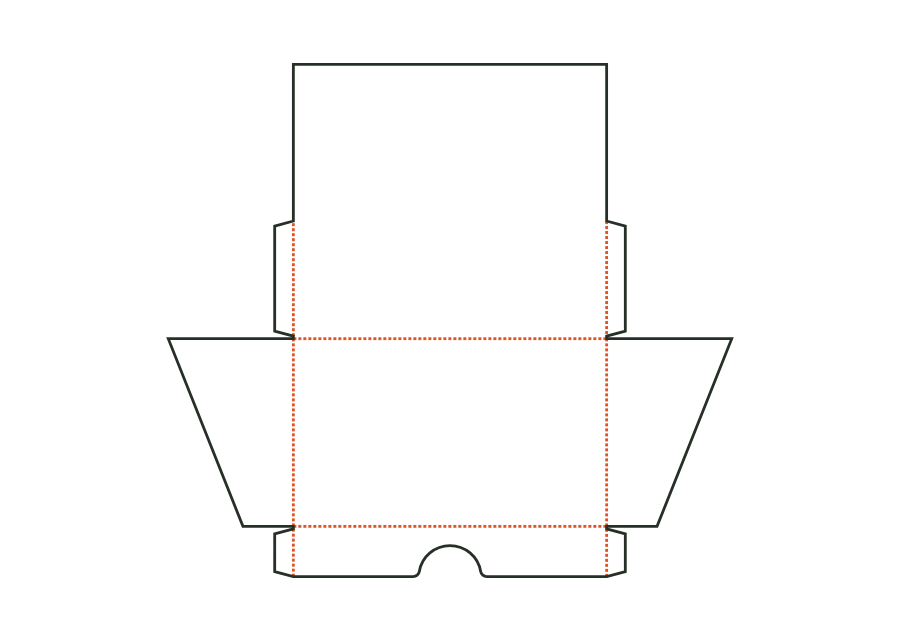
carton.tuckend.straightView templateThe top tuck flap sits on the front, the bottom one on the back. The reverse tuck-end carton calculates its walls, dust flaps and closures from the inside dimension. The dieline shown comes from version 3 with the hanging hole disabled; artwork, production dieline and production sheet can be exported together in the technical core.
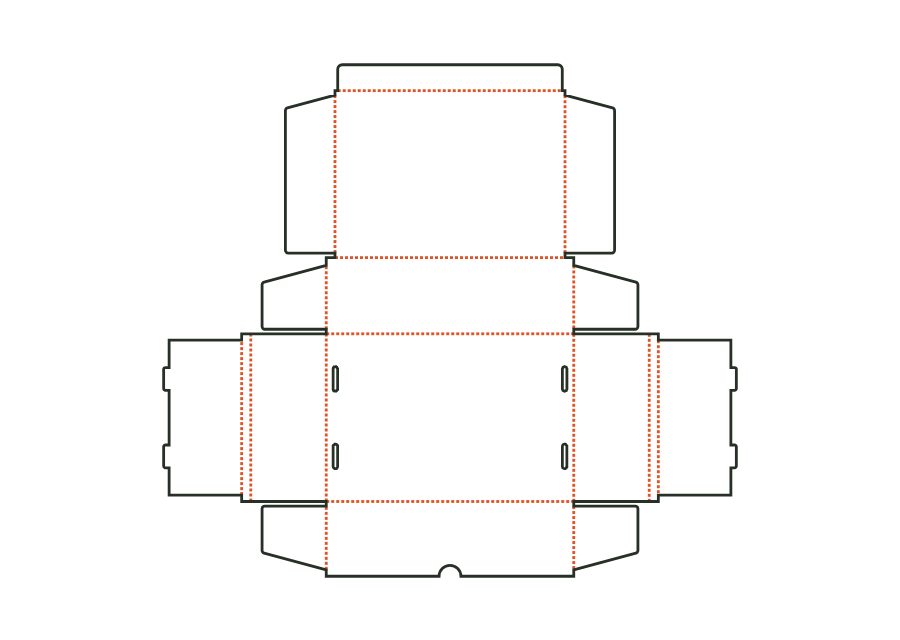
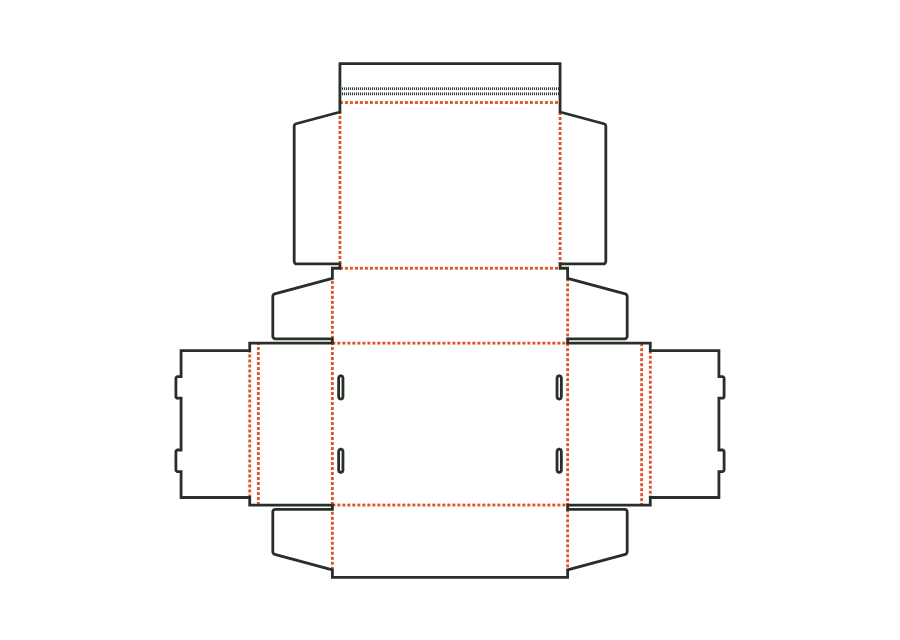
carton.tuckend.reverseView templateShipping box with tuck lid and dust flaps made from E flute or microflute. Inside printing, double walls and size series are part of the same construction.
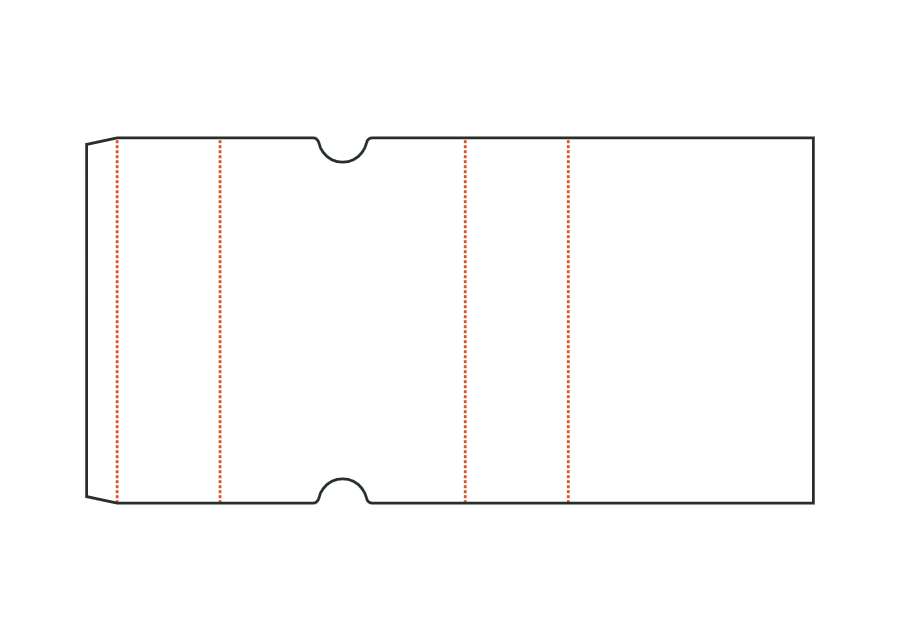
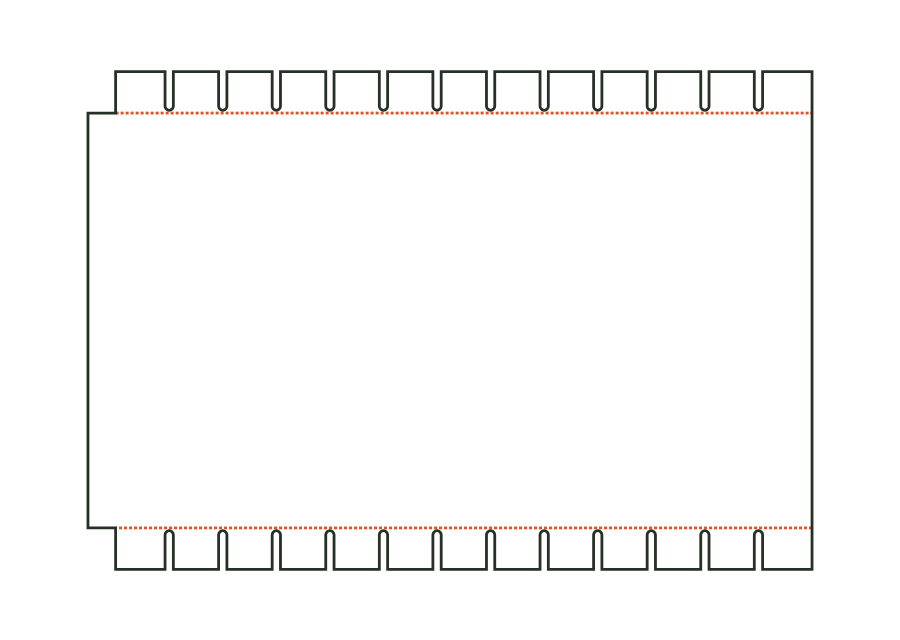
corrugated.mailerView templateThe sleeve surrounds a product with four walls and remains open at both ends. Length and width describe the cross-section; height describes the sleeve length. The dieline shows version 1 with finger notches on the front. Material thickness, glue flap and notch position remain part of the calculation rather than simple scaling.
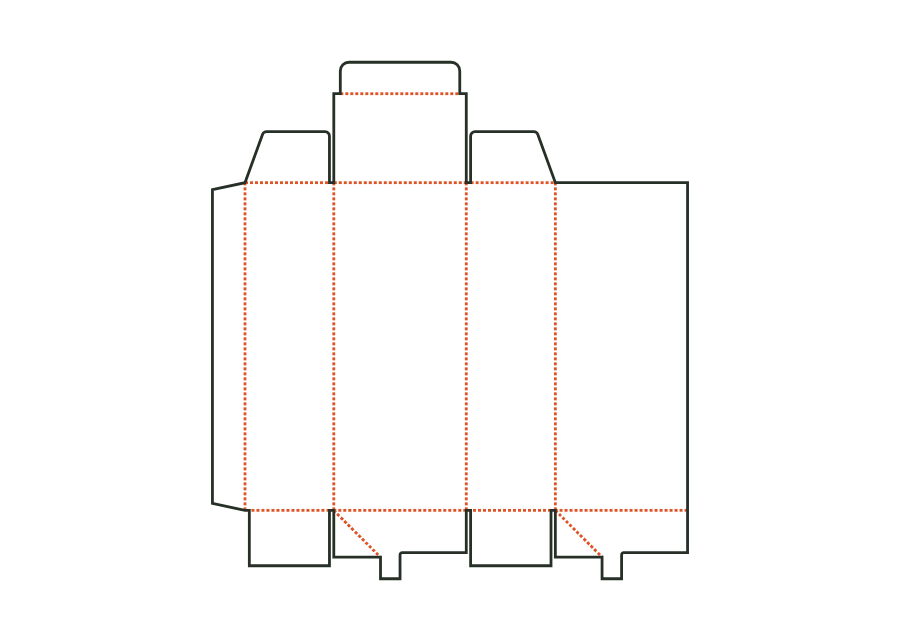
carton.sleeveView templateThe pre-glued crash-lock bottom closes when the body is erected. Dust flaps and a tuck flap close the folding carton at the top; bottom gluing belongs to the production workflow.
carton.crashlockView templateRectangular label with selectable corner radius; dieline with bleed and safe zone from the production profile.
label.rectView templateWraparound label for cylindrical bottles and cans: length from circumference (or diameter) plus overlap; the front viewing area and overlap are marked as annotation lines.
label.wrapView templatePaper belly band around the four walls of a box, with creases at the edges and a glue flap; crease-to-crease dimensions from the box's outside dimensions plus material thickness.
band.bellyView templateGreyboard shell for the base of a rigid box: base with four walls, V-grooves and butt-jointed corners.
rigid.lidbase.baseView templateGreyboard shell for the lid, constructed in the same way as the base; dimensions from the base outside dimensions plus clearance and paper.
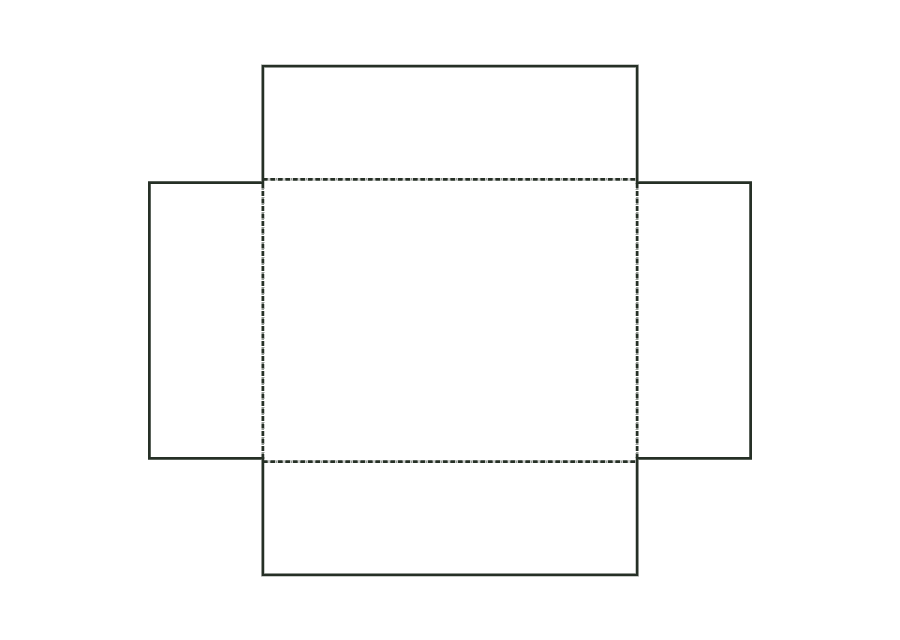
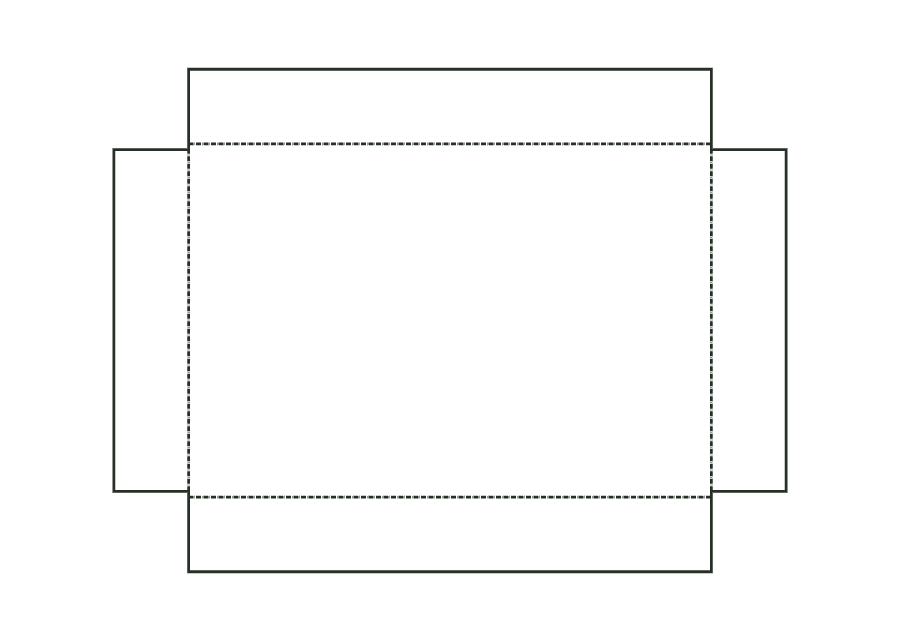
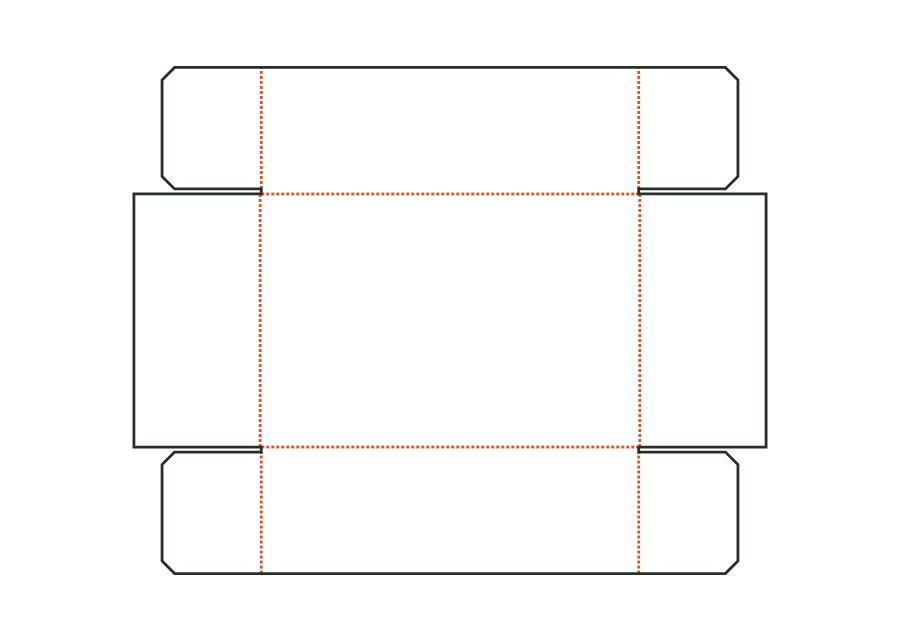
rigid.lidbase.lidView templateWrapping paper for the base: cross-shaped blank with corner tabs on the front and back walls and turn-ins over the top edge to the inside.
rigid.lidbase.base.wrapView templateWrapping paper for the lid, constructed in the same way as the base wrap.
rigid.lidbase.lid.wrapView templateGreyboard tray: tray with V-grooves and butt-jointed corners, optionally with a slot for a ribbon handle in the right end wall.
rigid.drawer.trayView templateGreyboard sleeve: strip with three V-grooves, open at both ends, with a butt joint at the lower front edge.
rigid.drawer.sleeveView templateWrapping paper for the tray: cross with corner flaps and turn-ins, optionally with a slot above the tray's slot.
rigid.drawer.tray.wrapView templateWrapping paper for the sleeve: strip with overlap at the butt joint and turn-ins at both open ends.
rigid.drawer.sleeve.wrapView templateGreyboard tray with V-grooves and butt-jointed corners, with a round magnet recess centred in the front wall.
rigid.magnetic.trayView templateWrapping paper for the tray: cross shape with corner flaps and turn-ins; covers the magnet in the front wall.
rigid.magnetic.tray.wrapView templateGreyboard hinged-lid case: base, spine with spine allowance, lid and front flap in one strip with V-grooves, round magnet recess in the flap.
rigid.magnetic.coverView templateWrapping paper for the case: panel with turn-ins all round, corner cuts at 45° and creases at the joint positions.
rigid.magnetic.cover.wrapView templateLining paper for the inside of the case, smaller all round by the margin; covers the turn-ins and flap magnet.
rigid.magnetic.cover.liningView templateGreyboard shell for the neck box base: base panel with four walls, V-grooves and butt-jointed corners.
rigid.neck.baseView templateWrapping paper for the neck box base: cross shape with corner flaps and turn-ins over the top edge inwards.
rigid.neck.base.wrapView templateGreyboard neck: surrounding strip with three V-grooves, joint at the rear right corner; sits in the base and protrudes above it by the neck height.
rigid.neck.neckView templateWrapping paper for the neck: strip with overlap at the joint and turn-ins at the top edge covering the inside down to the base.
rigid.neck.neck.wrapView templateGreyboard shell for the neck box lid; dimensions from the base inside dimension plus clearance, height from neck height plus clearance.
rigid.neck.lidView templateWrapping paper for the neck box lid in the same construction type as the base wrap.
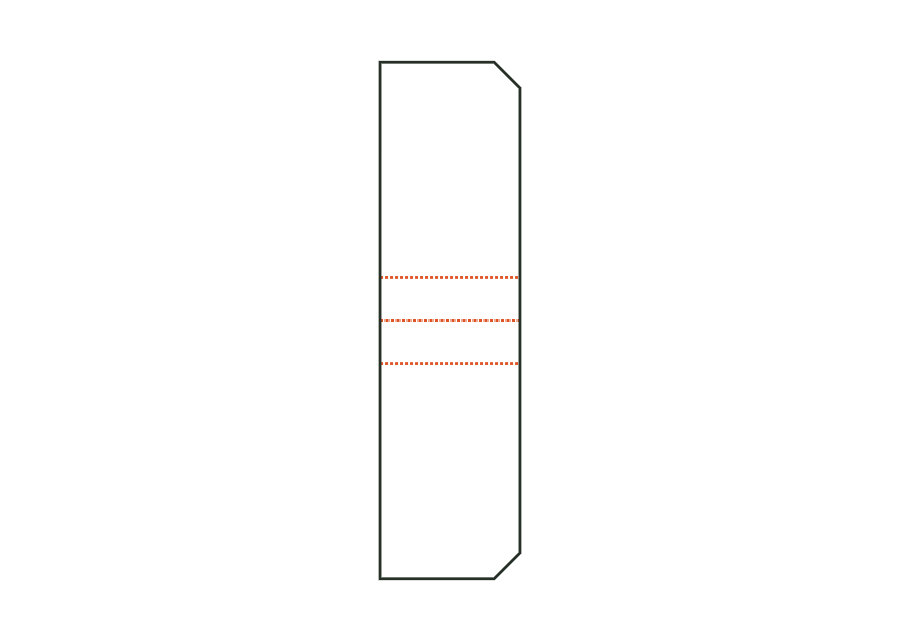
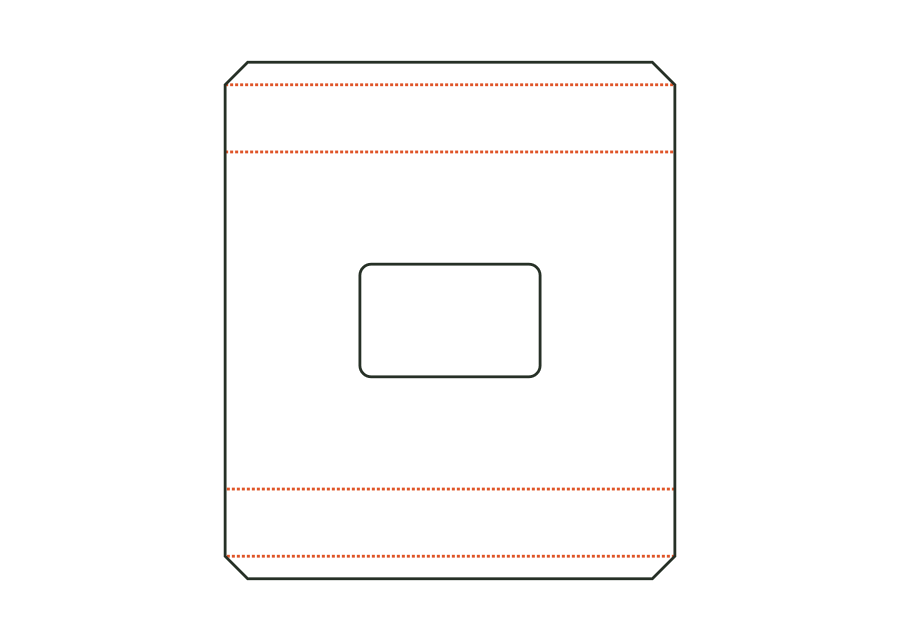
rigid.neck.lid.wrapView templateCalculate the wrap from diameter or circumference, height and overlap. For a cardboard tube, slit turn-ins are added; for a can, you can disable both. The drawing shows the blank with starting values, not a finished can or confirmed fit.
tube.wrapView templateThe lid or base disc has glue flaps around a circular crease line. The starting dimension is the cylindrical wall's inside diameter, together with its height. The parametric dieline shows the disc as an individual component; check a matching wall and assembly separately.
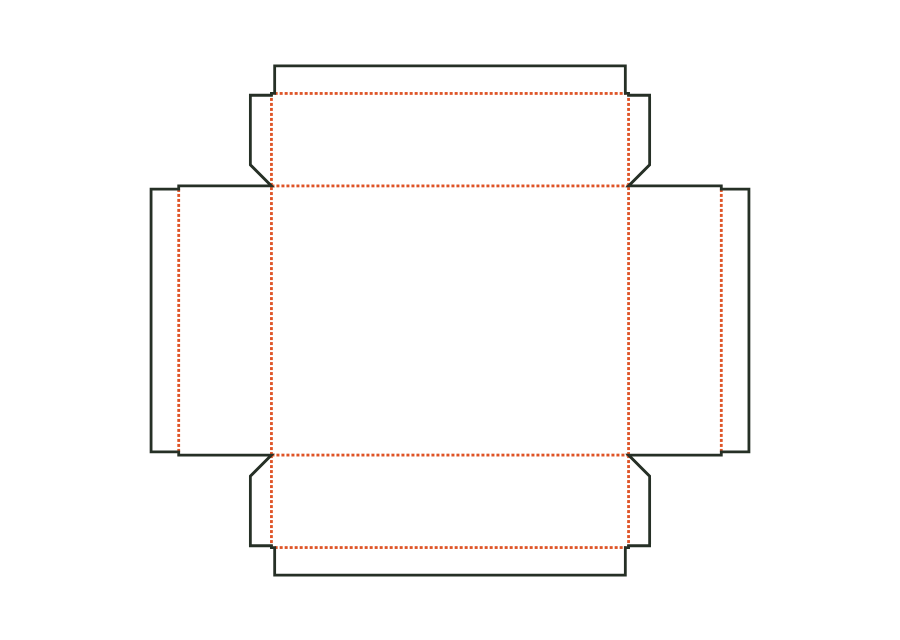
tube.discView templateOpen display for the shop counter: low front wall with finger recess, tall back wall with advertising area, sloping side walls; corners are glued inside with corner glue flaps as on the tray.
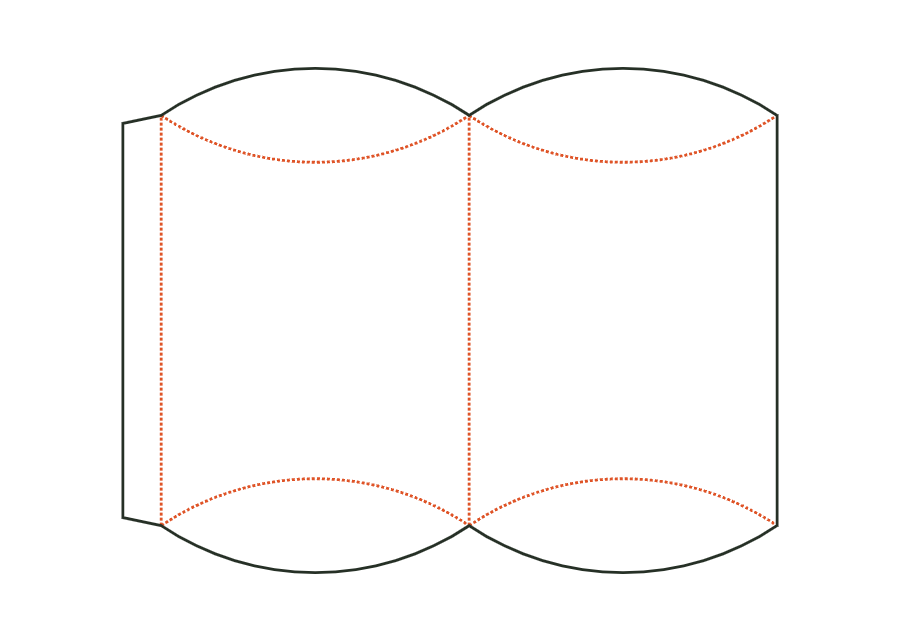
carton.display.counterView templateThe pillow box bows two wall panels between lens-shaped end flaps. Curved creases form the closure instead of straight lid creases. In version 1, the inputs mean width × thickness × length of the packaging. The dieline shown accounts for these proportions and the starting material; it does not define a rectangular box interior.
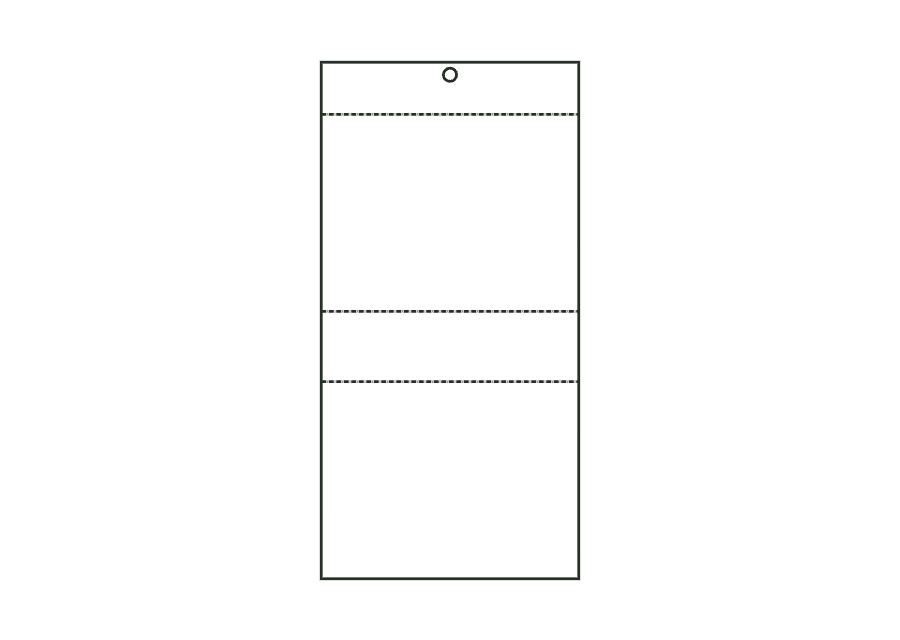
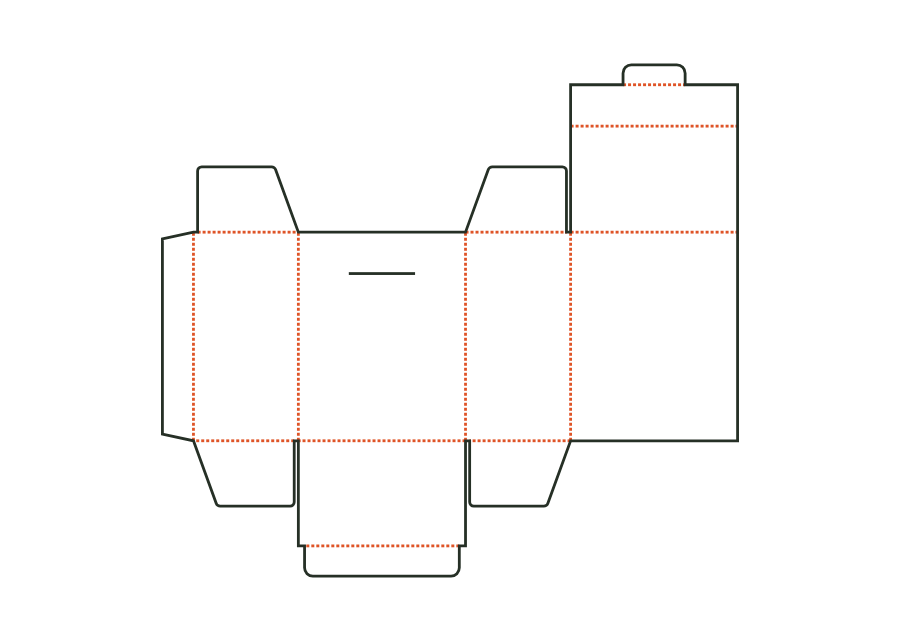
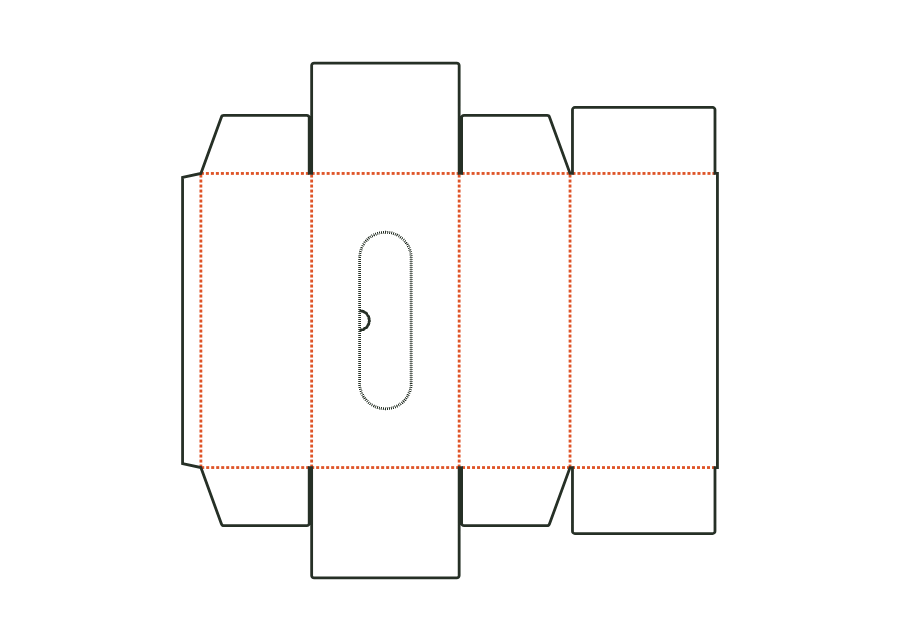
carton.pillowView templateThe hinged lid sits on the back wall and places its front wall over the outside of the front. A lid tab passes through a slot in the front; a tuck bottom closes the base. This page shows version 2 with the hanging hole disabled. The technical core calculates lid overhang, flaps and creases from the chosen dimensions and material profile.
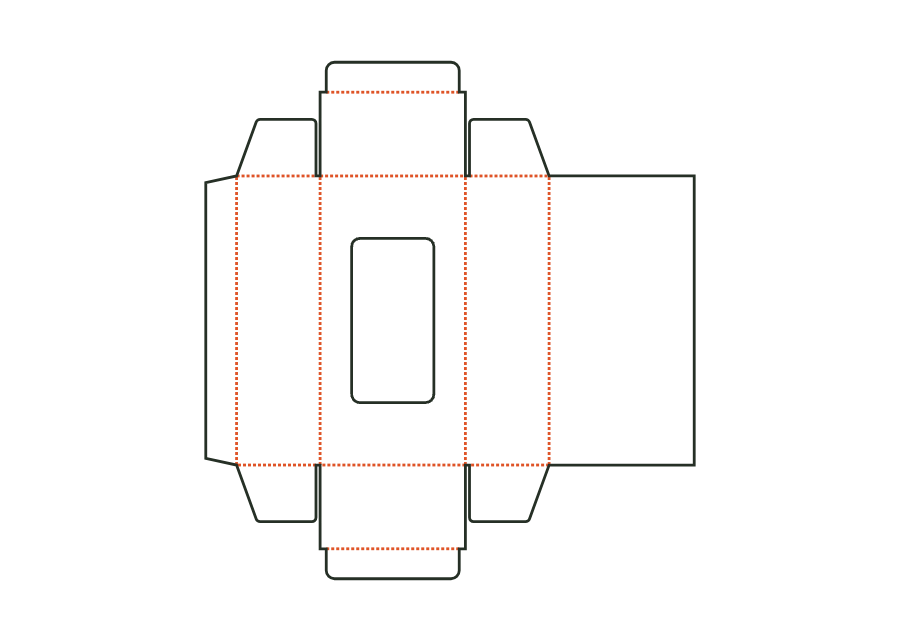
carton.hinged.lidView templateThe window carton combines straight tuck closures with a cut-out in the front. Choose a rectangle with corner radius or an oval and leave room for the film margin and bridges. Version 2 shown here starts with a rectangular window and no hanging hole. The dieline provides the construction; window film is attached separately behind the window.
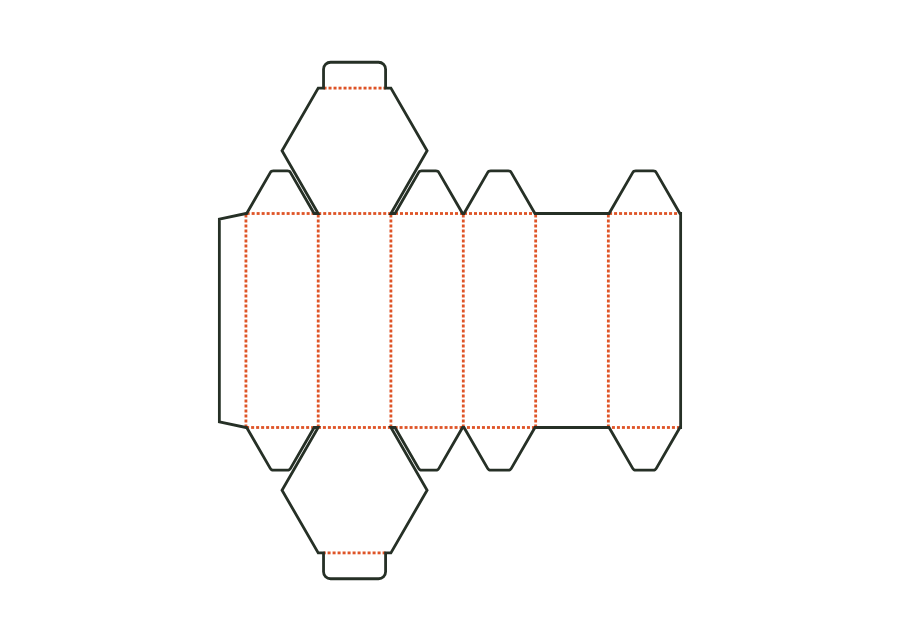
carton.windowView templateSix walls form a hexagonal footprint with tuck lid and bottom. The inputs mean across corners × across flats × height, rather than a rectangle's length and width. Version 1 calculates the angled walls, mitres and creases from these dimensions. The example shows the straight lid style; the bottom can alternatively sit on the back.
carton.hexagonView templateMailer with double side walls and an external closure flap. A self-adhesive strip connects the flap to the front wall; a tear strip opens it. The bottom tabs still hold the wall structure.
corrugated.mailer.flapView templateThis template calculates the print mask for a flat pouch with a three-side seal. Front and back are on a shared print sheet with a bottom fold. Side and top seals are seal zones; zipper, tear notch and hanging hole are optional additions. The drawing is not an approved film die-cutting contour.
pouch.flatView templateThe spouted pouch print mask adds a sealed-in spout to the stand-up pouch. Choose the top right corner or the centre of the top edge and enter the inside diameter. The spout fitment is part of the seal zones; the drawing documents its position, not confirmed component fit.
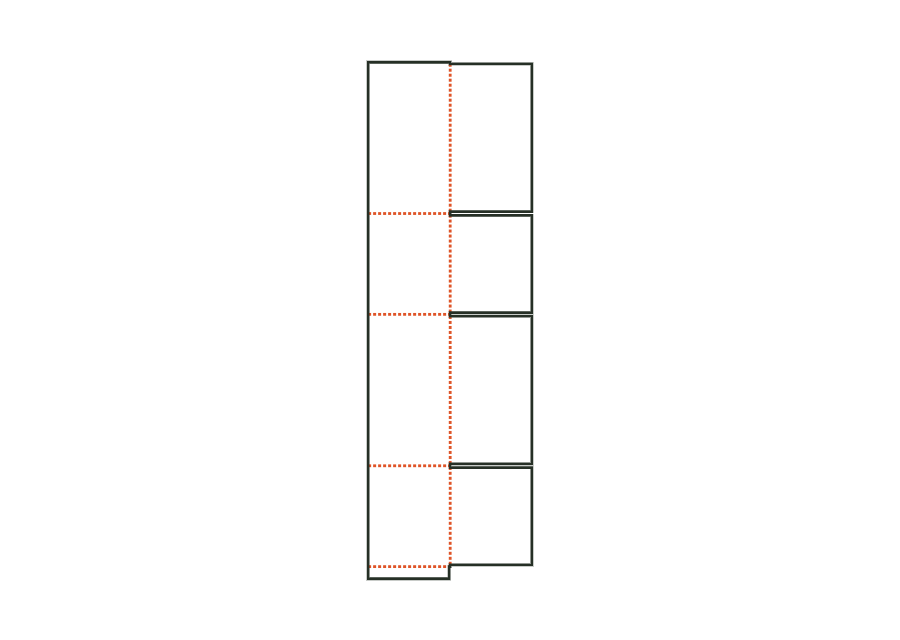
pouch.spoutView templateHorizontal box for facial tissues and handkerchiefs: body with side seam, glued end closures (Seal End), perforated dispensing opening in the top (oblong slot or rectangle) with thumb notch. Dimensions: length × top width × height.
carton.tissueView templateBoard insert for a box: platform with a freely positioned product cutout (rectangle, circle or oval) on folded-down feet at two or four edges, optionally with inward-folded foot tabs. Dimensions: insert outside dimensions (box inside dimensions) × platform height.
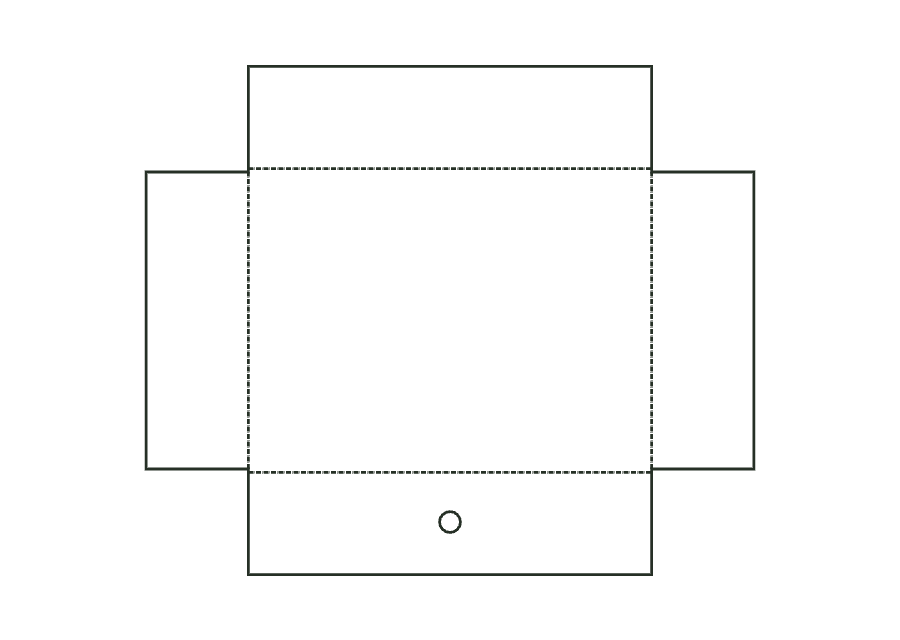
carton.insert.cutoutView templateLower part of the telescopic box made from folding carton board: base with four walls and glued corner flaps, same design as the corrugated telescopic box, for smaller gift and chocolate boxes.
carton.telescope.baseView templateTelescopic lid made from folding carton board in the same design as the base; dimensions from the base's outside dimension plus clearance on each side.
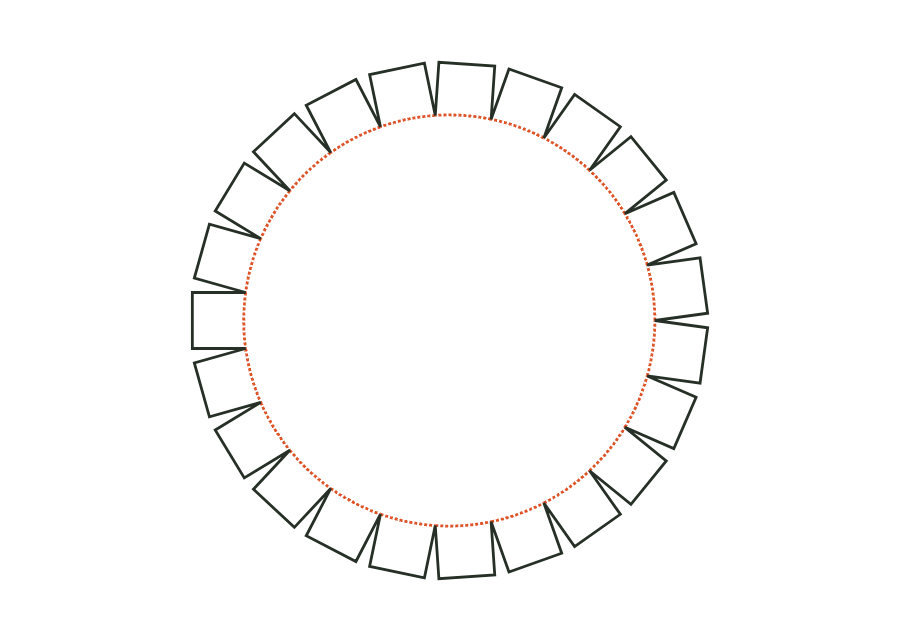
carton.telescope.lidView templateFolding carton with 5 to 12 walls as a generalization of the hexagon box: glue flap, tuck lid at the front with the tuck flap opposite, straight or reverse bottom, mitered dust flaps. Length × width is the rectangle the n-gon fills.
carton.polygonView templateBase and telescope lid in folding boxboard form one assembly. Both parts have glued corner flaps; the lid follows the outside dimensions of the base plus clearance per side. For gift and chocolate boxes.
carton.telescopeView templateNo matching template. Change the search or application.
With JetDieline, choose a suitable template, adjust its size, and place text, logos, and images directly on your packaging.
Try your dimensions Download on the Mac App Store