Plan packaging and inserts together: the product needs suitable retention, while cables and accessories need their own space. Compare shipping boxes and rigid cartons and test protection and fit separately.
27Constructions, components and assemblies
Individual components are shown separately. Different sizes and stored template versions are not additional packaging shapes.
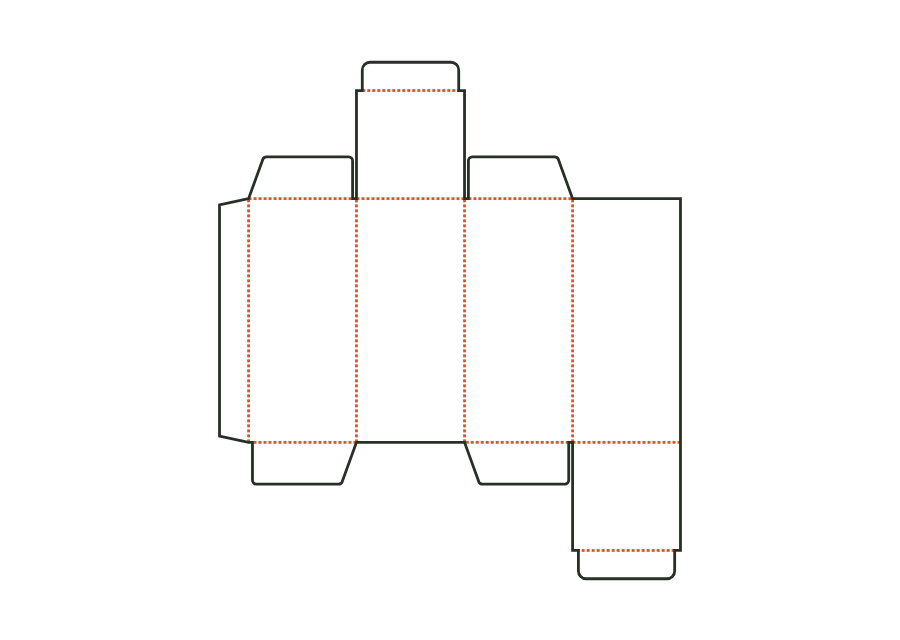
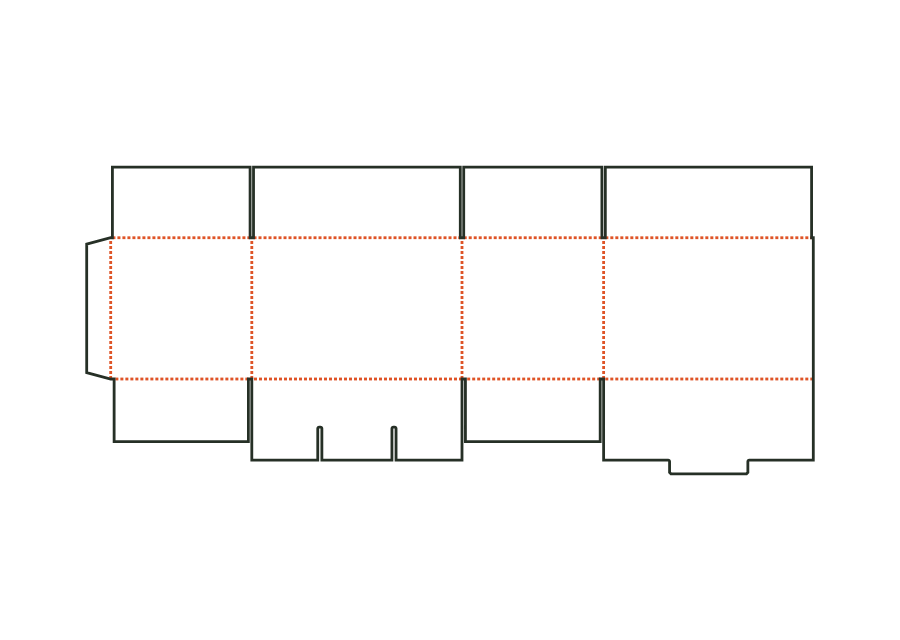
The top tuck flap sits on the front, the bottom one on the back. The reverse tuck-end carton calculates its walls, dust flaps and closures from the inside dimension. The dieline shown comes from version 3 with the hanging hole disabled; artwork, production dieline and report can be exported together in the technical core.
Shipping box with a tuck lid and dust flaps made from E-flute or microflute board. Inside printing, double walls and size series are part of the same structure.
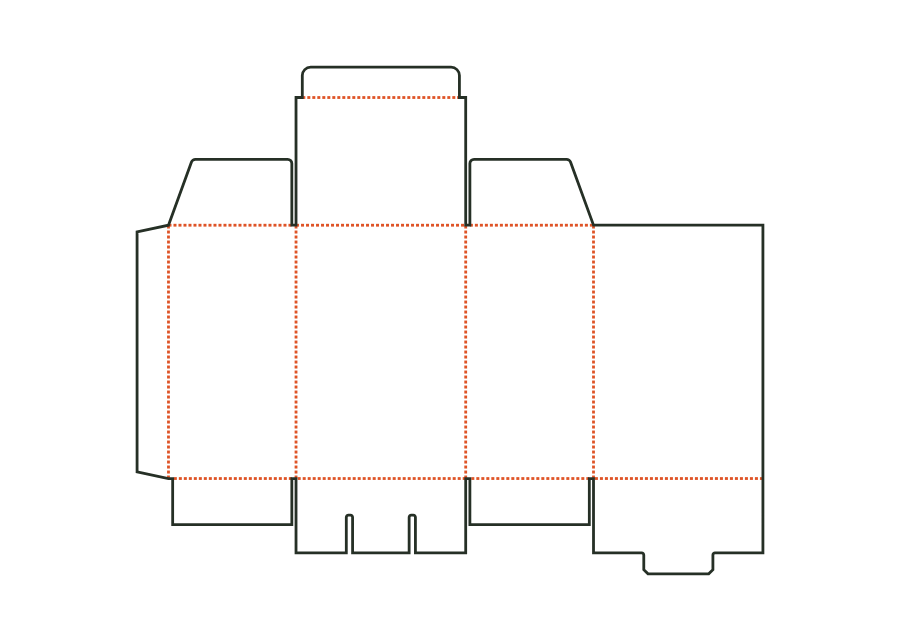
The pre-glued crash-lock bottom closes when the sleeve is erected. Dust flaps and a tuck flap close the top of the folding carton; gluing the bottom is part of the production workflow.
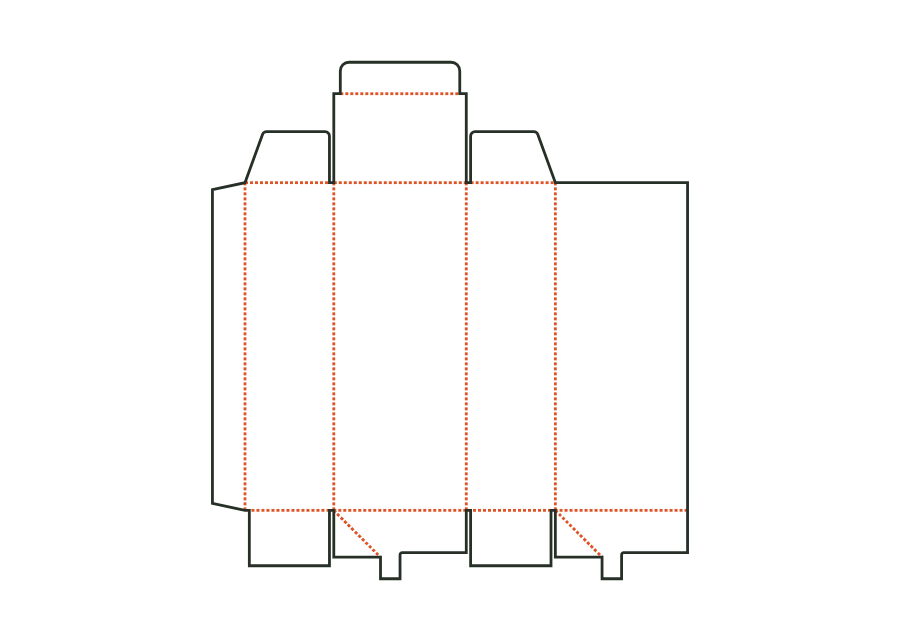
The snap-lock bottom closes with four interlocking flaps. Two side flaps sit inside; a nose on the back tucks under the front flap's tongue. Version 1 combines this bottom with a tuck lid. The calculation example uses folding boxboard 400 g/m² and shows the flat dieline with creases and bottom cuts.
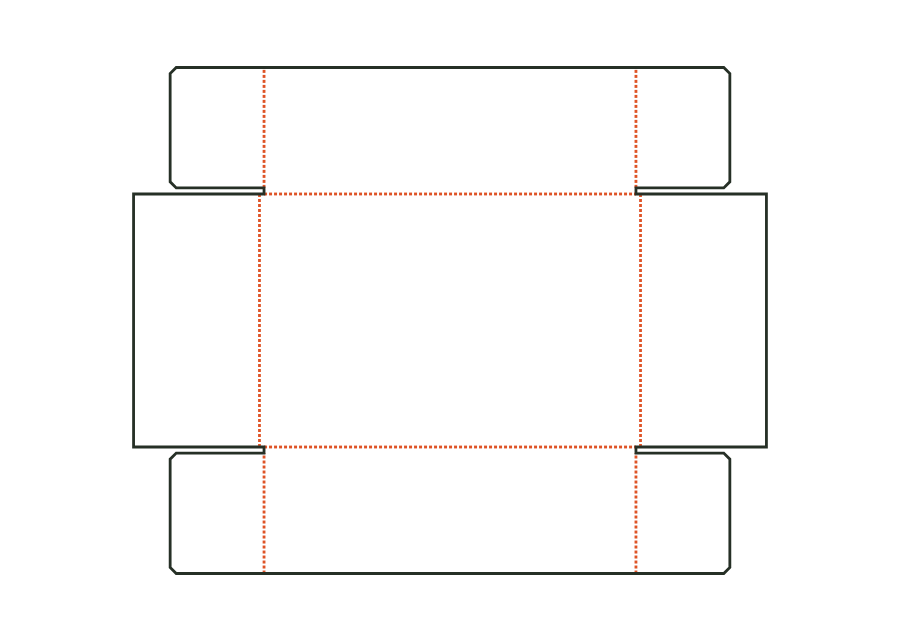
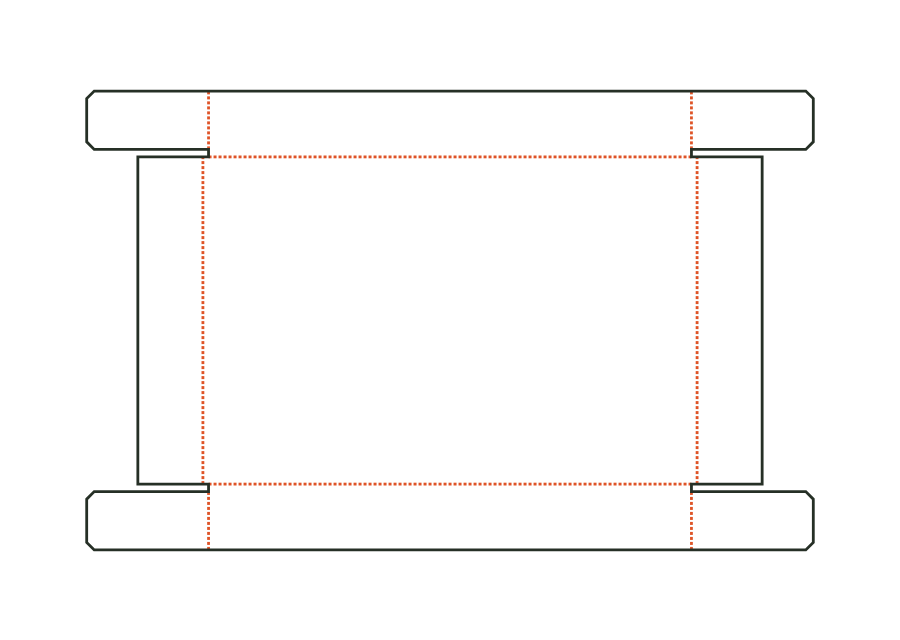
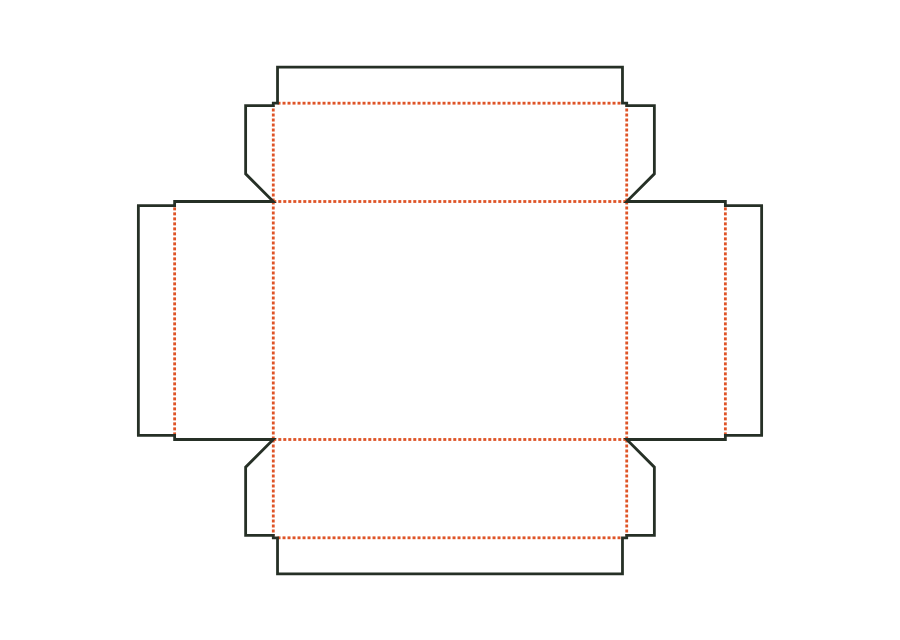
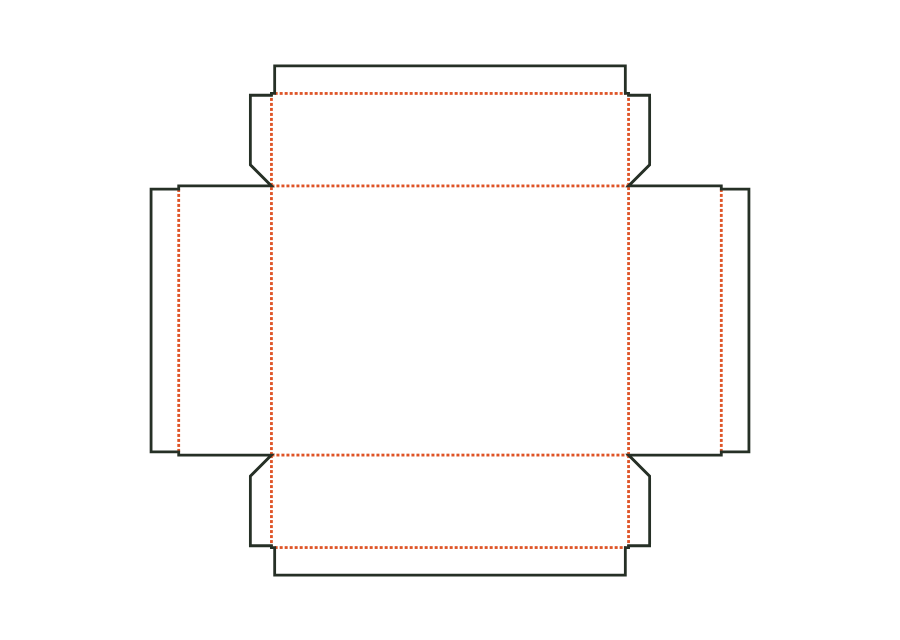
Base and lid form a two-piece corrugated construction with glued corner flaps. Both components have their own dieline; the lid is derived from the base's outside dimension and clearance on each side.
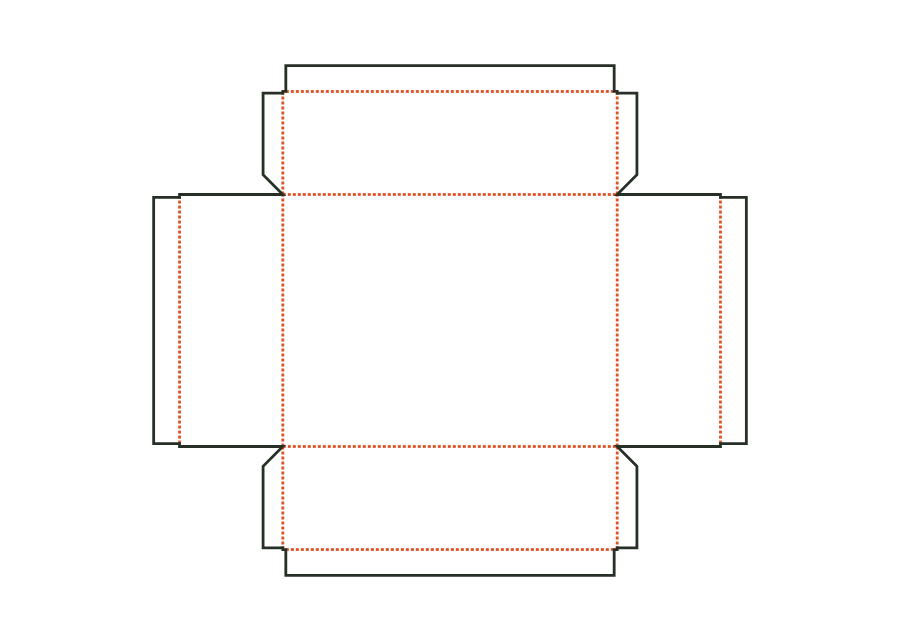
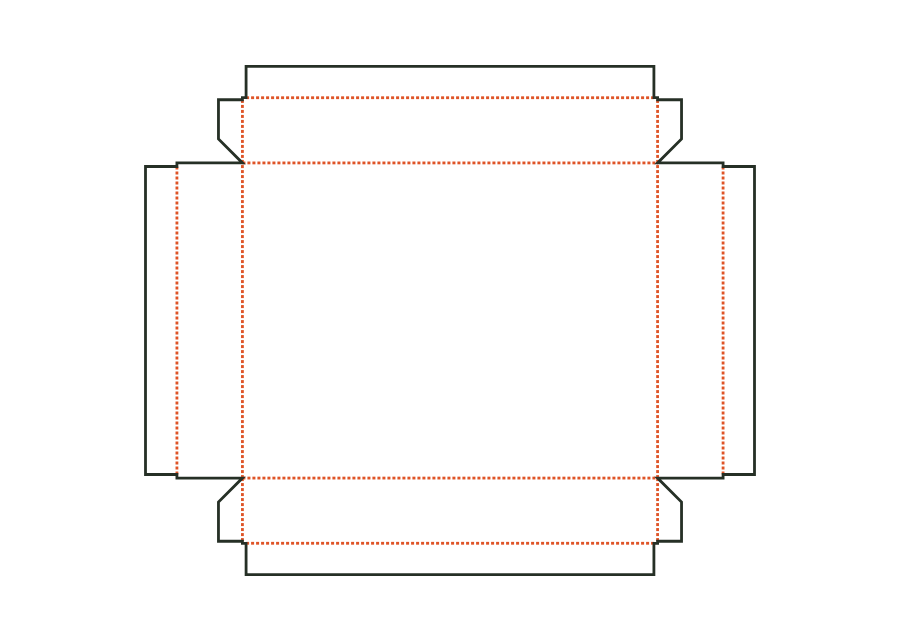
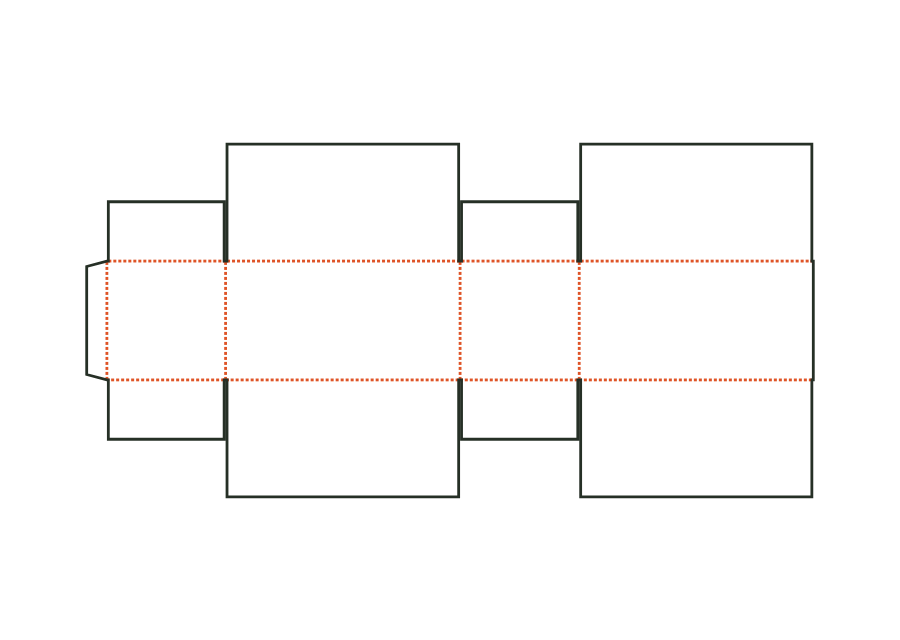
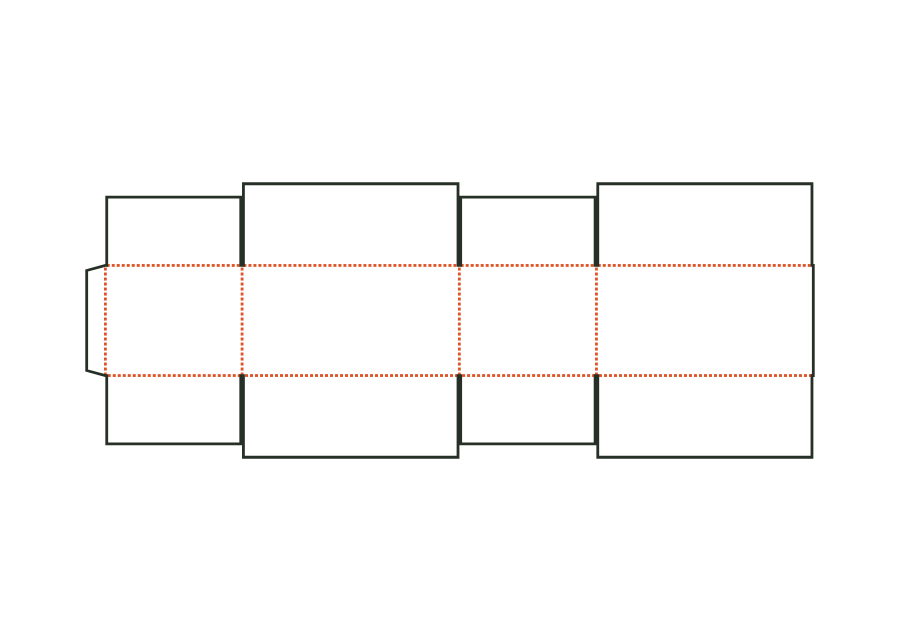
The outer flaps each cover the entire opening at the top and bottom and lie on top of each other. This custom corrugated construction calculates full coverage rather than just a narrow overlap strip.
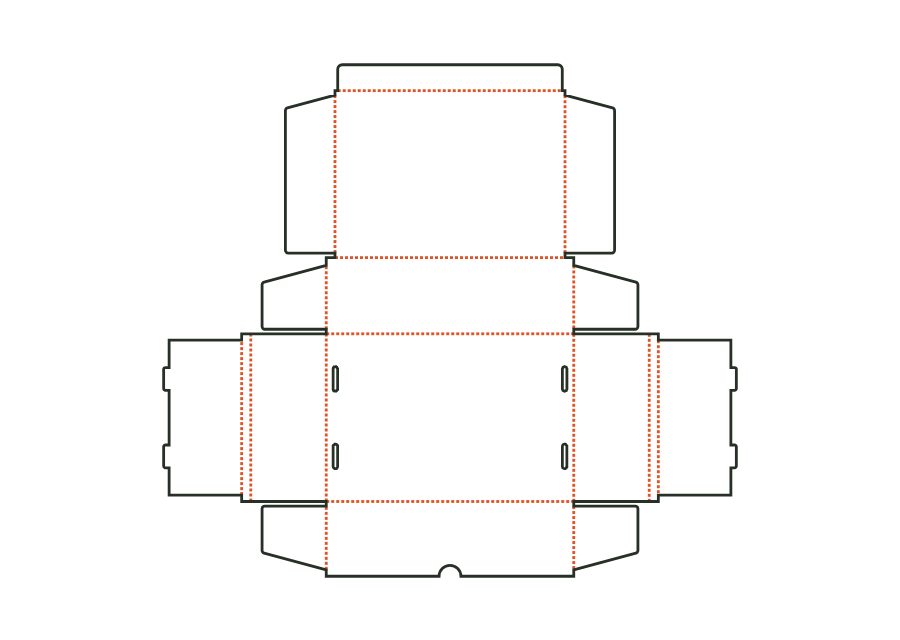
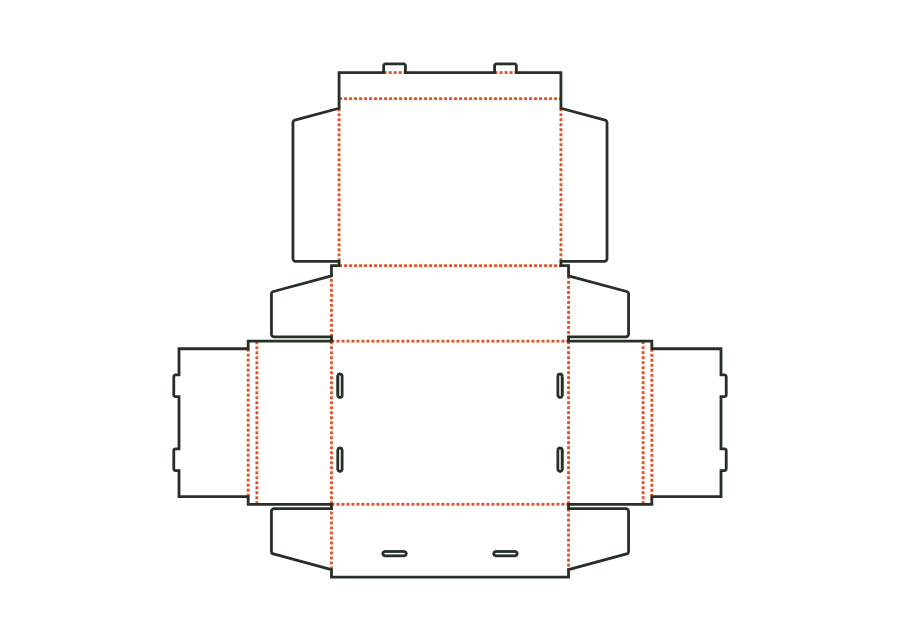
Corrugated mailer with double side walls and an external tuck closure. The lid locking tabs engage through oblong holes in the front wall; the construction is erected without gluing.
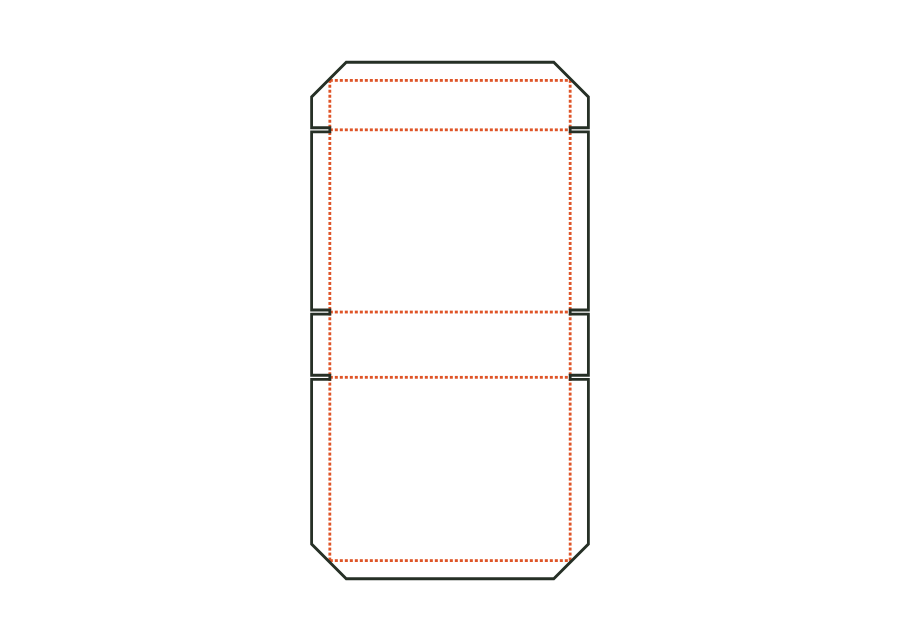
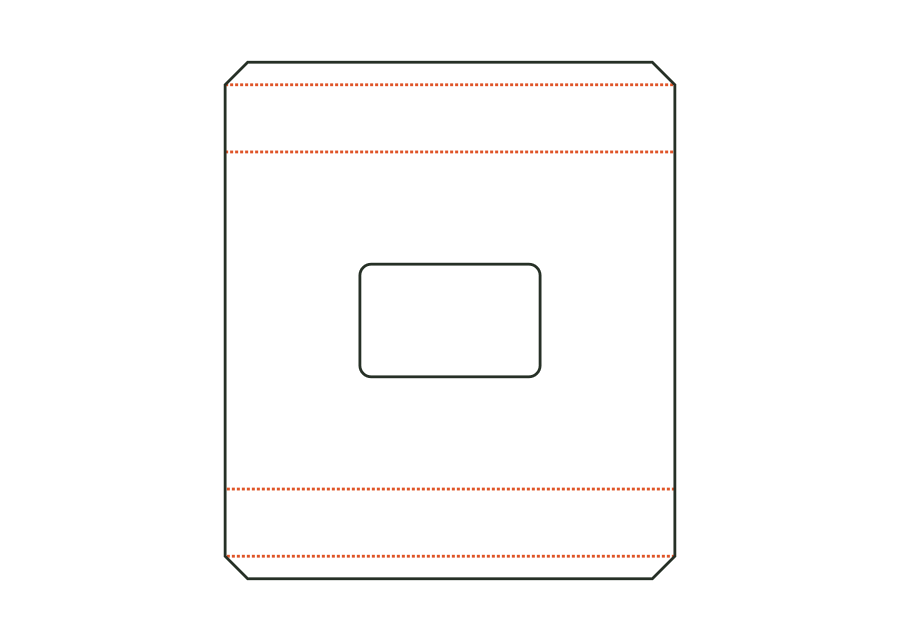
Flat insert pad as a base, intermediate layer or top insert in a box. Flat dimensions follow the box's inside space; side clearance makes the pad smaller. An optional grid forms identical rounded cutouts.
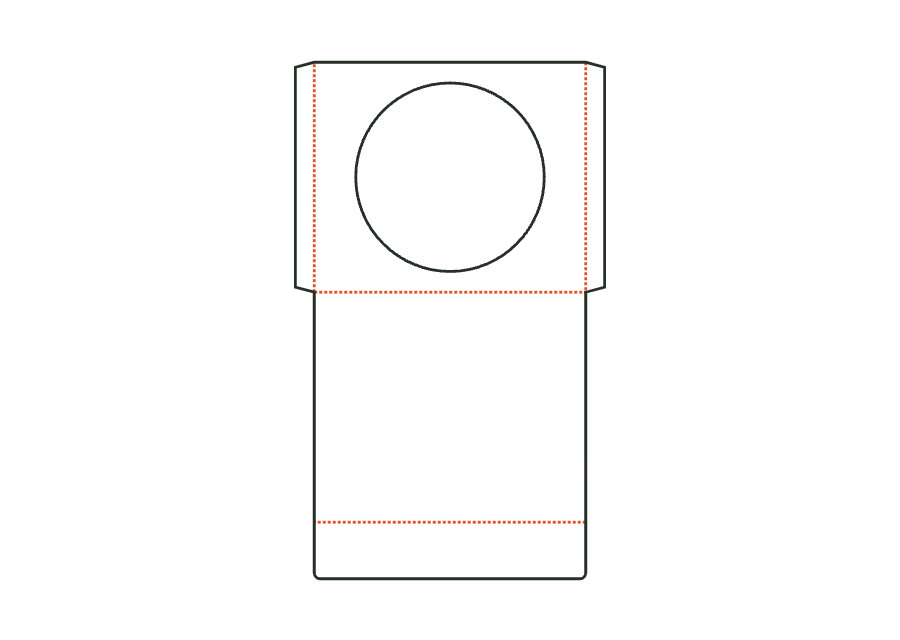
Flat sleeve for a CD or DVD with a round window (optionally without), side seams formed by glue flaps, a closure flap on the back, and an optional thumb notch. Dimensions refer to the insert; clearance and flaps make the sleeve larger.
An adjustable strip connects the outer flaps at the top and bottom. The template calculates flap lengths, material layers and blank from the box dimensions and desired overlap.
A snap-lock bottom closes this corrugated box without tape at the bottom. The top can be chosen separately: meeting flaps, fully overlapping flaps or open.
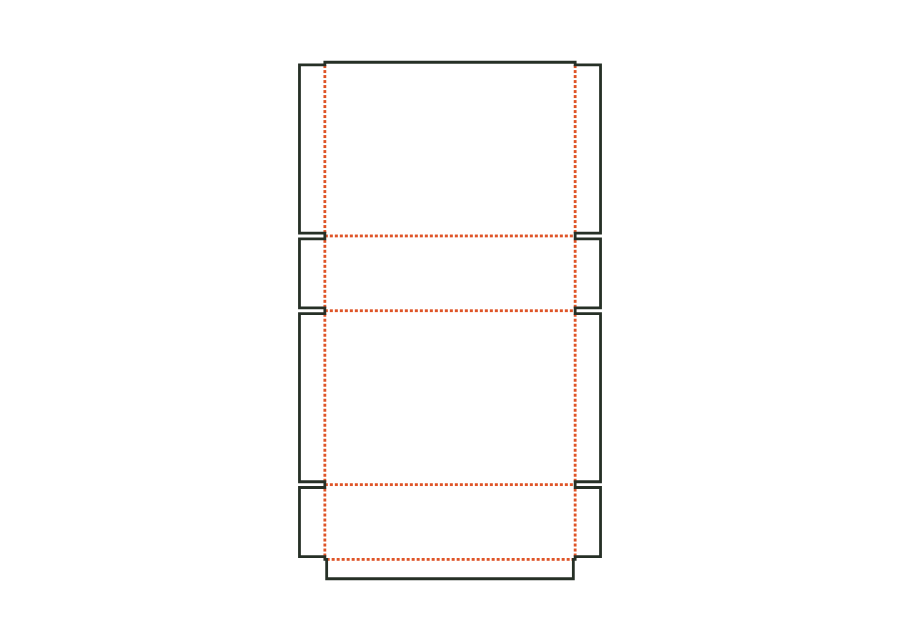
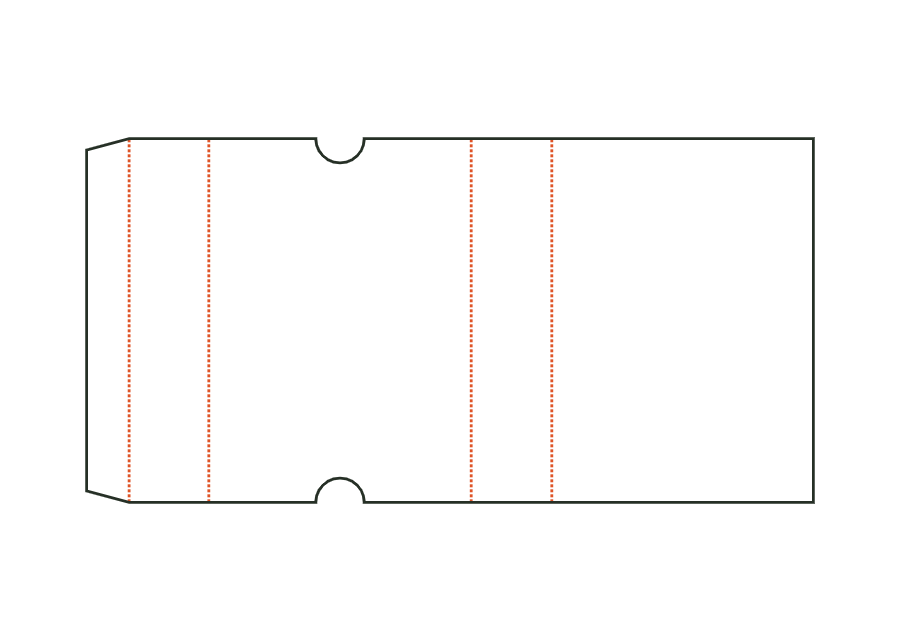
Corrugated sliding sleeve with glue flap and open ends. Thumb cut-outs at both ends of the top make sliding out an inner component easier. The template calculates only the sleeve.
Board insert for a box: platform with a freely positioned product cutout (rectangle, circle or oval) on folded-down feet at two or four edges, optionally with inward-folded foot tabs. Dimensions: insert outside dimensions (box inside dimensions) × platform height.
 JetDieline