Round bodies and bags use different dimension references than rectangular cartons. Diameter, circumference, gussets and seam allowances must fit the product. For cylindrical packaging, the end discs and the shell must be matched to each other.
4Constructions, components and assemblies
Individual components are shown separately. Different sizes and stored template versions are not additional packaging shapes.
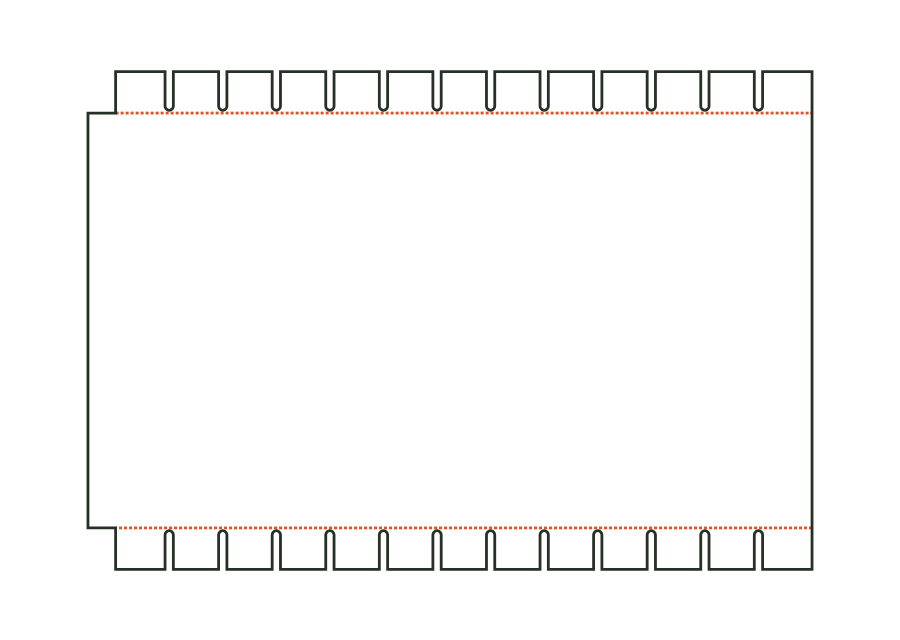
Calculate the wrap from diameter or circumference, height, and overlap. Slit turn-ins are added for a cardboard tube; for a can, you can disable both. The drawing shows the blank with starting values, not a finished can or confirmed fit.
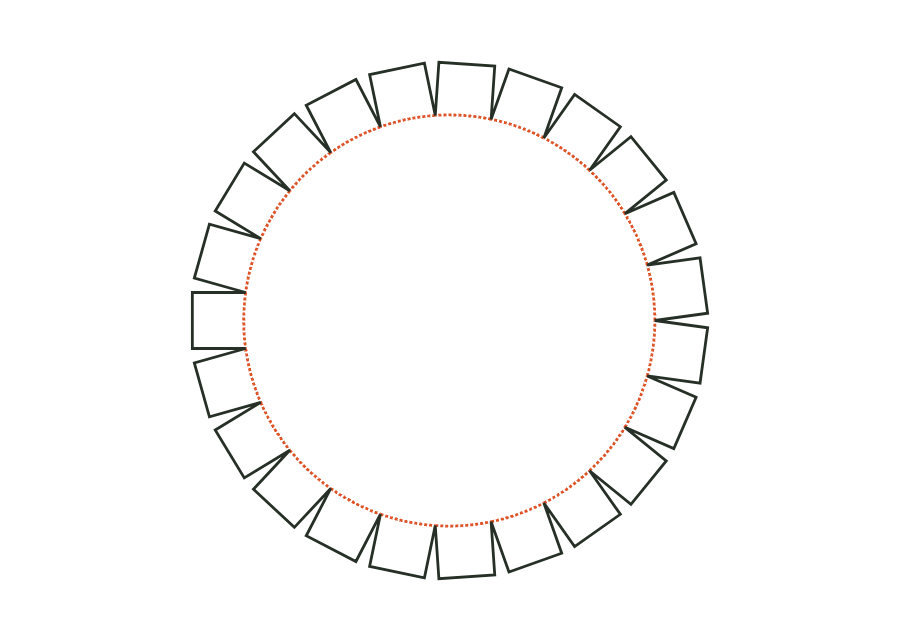
The lid or base disc has glue flaps around a circular crease line. The starting dimensions are the inside diameter of the tube wall and its height. The parametric dieline shows the disc as an individual component; check a matching tube wall and assembly separately.
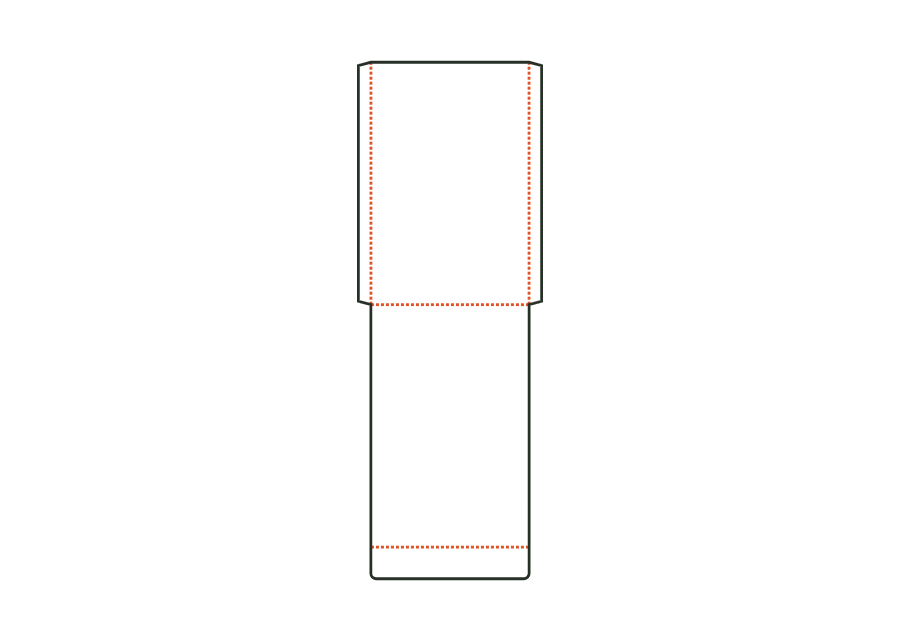
The flat bag consists of front and back with two glued side seams and a bottom fold. Enter bag width and height as outside dimensions. An optional flap on the back closes the opening; the dieline shows its effect on the paper blank.
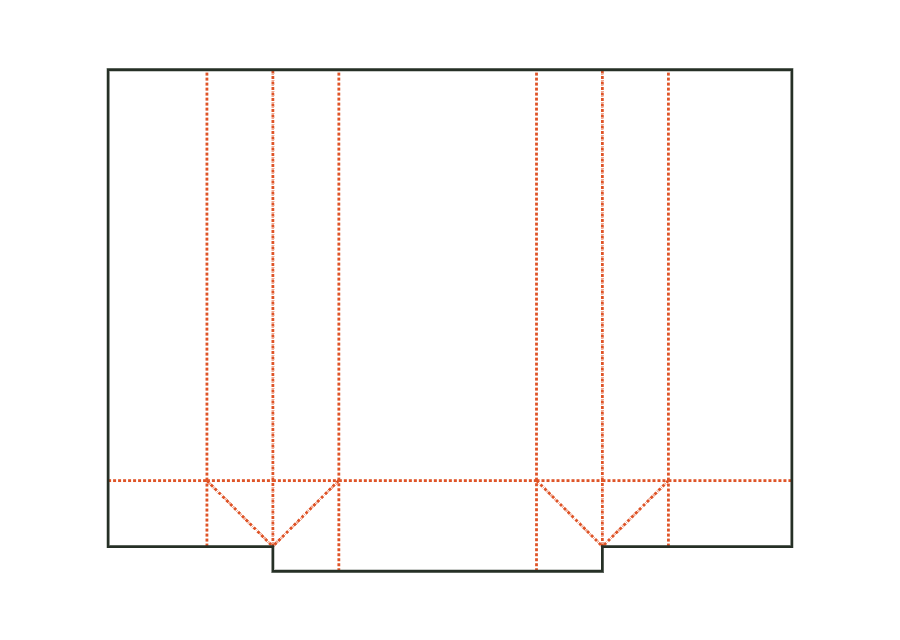
The side-gusset bag has a glued longitudinal seam and a block bottom made of flaps, ears, and triangles. You set bag width, gusset depth, and height. The inside dimension shown is converted into crease-to-crease dimensions using the material profile; the flat dieline also includes the bottom overlap.
 JetDieline