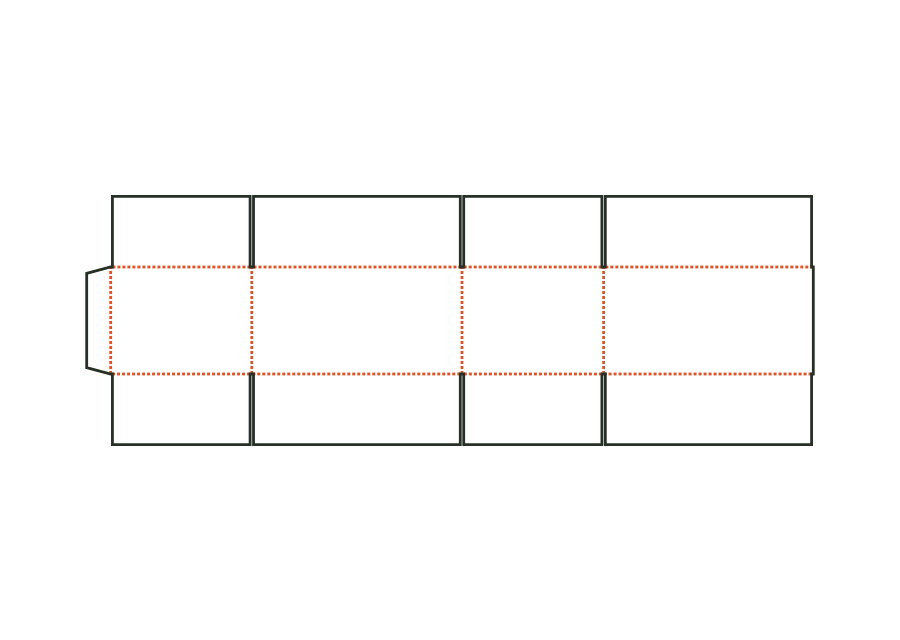
Glue flap
Width of the glue flap used to glue the blank into a tube. The material requires a minimum width.
 JetDieline
Corrugated shipping boxes / JETDIELINE
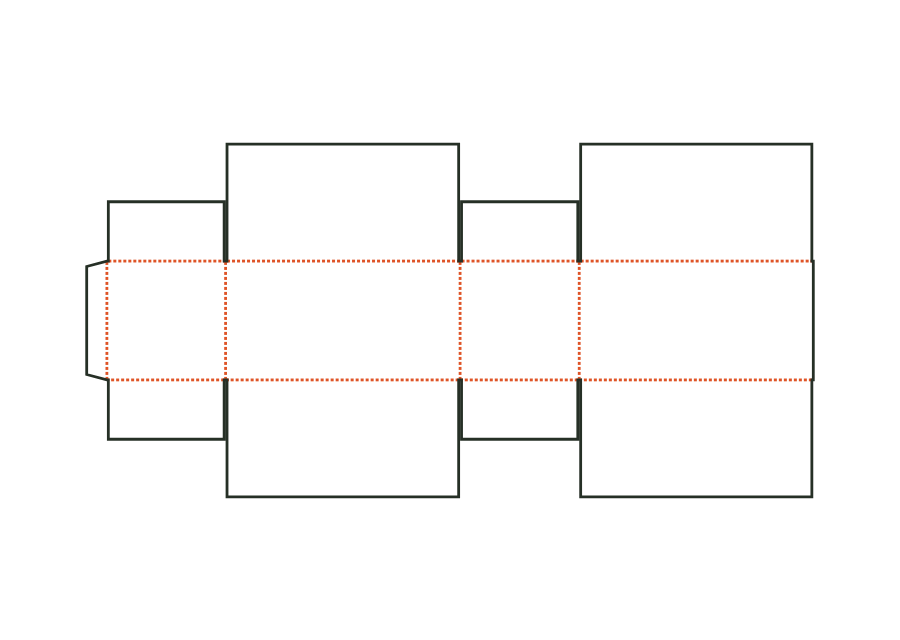
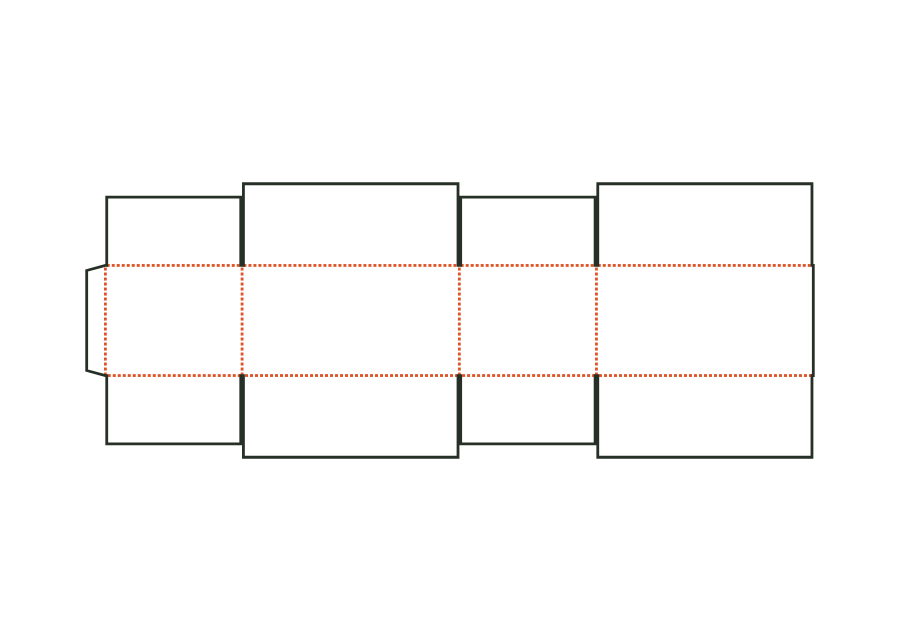
The regular slotted container connects four walls, a glue flap, and four flaps each at the top and bottom. Its outer flaps meet in the middle; the reference is similar to FEFCO 0201.
Drag to rotate
03 / BOX
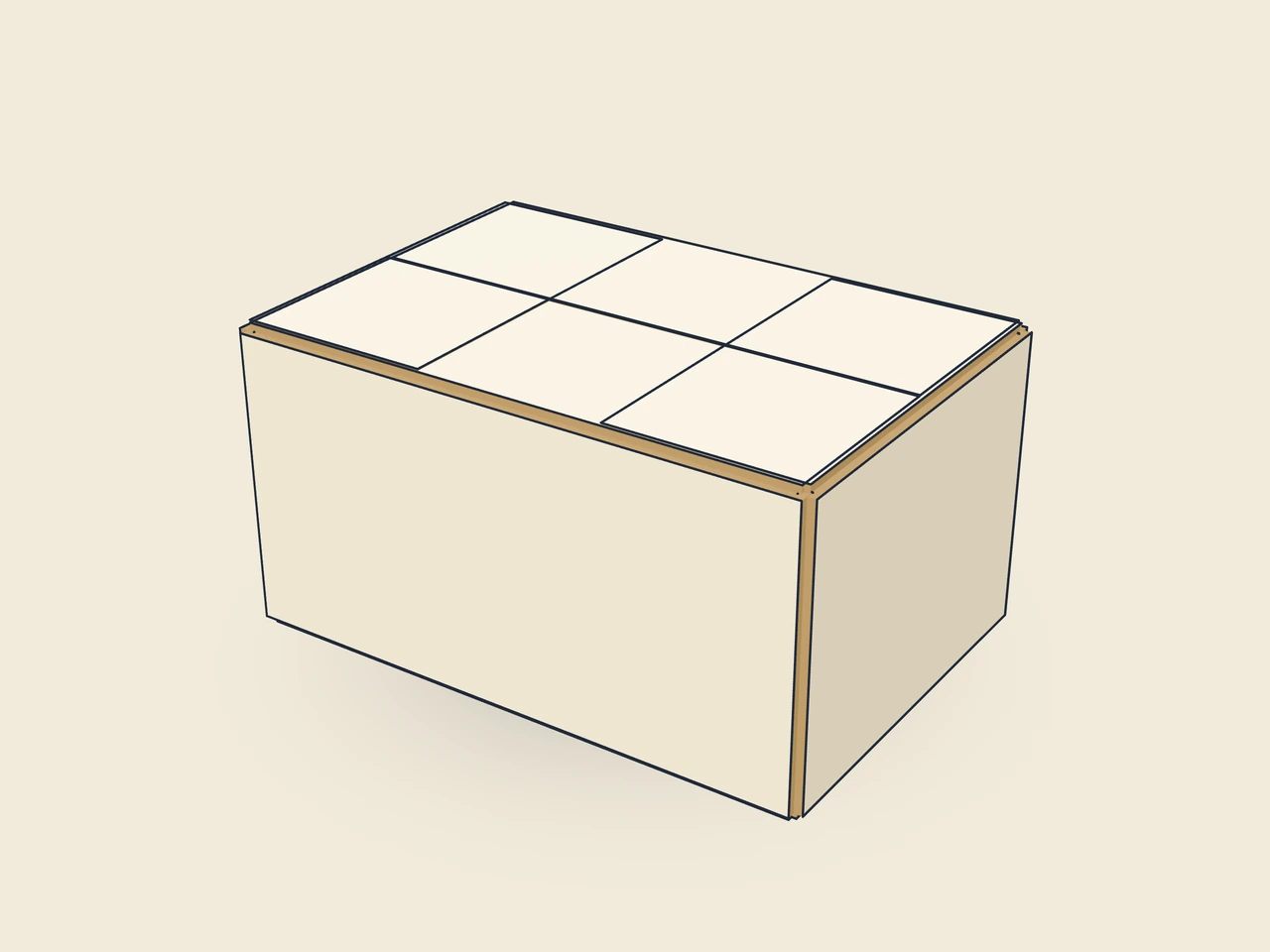
Simplified display model with indicative material thickness, not to scale.
The 3D view is not available in this browser. The image shows the folded shape.
corrugated.rscThe glue flap joins the walls into a body. For filling, the inner bottom flaps are closed first, followed by the outer ones. Tape holds the bottom and later the lid together.
Glue or stitch the glue flap to the opposite wall and lay the box flat. Erect for filling, fold in the inner bottom flaps, close the outer flaps over them, and seal with tape; do the same at the top.
Grain direction parallel to height (check)
Test fit, folding and closure on a sample made from the intended material. Confirm material thickness, grain direction and production steps with your printer.
Inside dimension
These dimensions describe the preview, not a fixed packaging size. The app recalculates the dieline for your own dimensions.
Width of the glue flap used to glue the blank into a tube. The material requires a minimum width.
Bevel at the ends of the glue flap; facilitates folding and erection.
Gap between neighboring flaps or walls; at least approximately the material thickness.
The reference classifies the construction for orientation. It does not reproduce a standard drawing or prove a confirmed classification. This page shows the original parametric construction. Before a binding reference is given, a technical partner must confirm the relationship; public wording therefore remains “similar to.”
Yes, this construction is designed for a central closure of the outer flaps. Other catalog types address full or partial overlap separately. Material thickness and flap gap affect the result. Check the closed bottom and lid on the sample; the calculated blank alone does not confirm the fit of the tape.
The catalog example uses inside dimensions. These describe the intended space for product and cushioning. Outside dimensions and crease-to-crease dimensions are also supported references. Record the selected reference when handing off. When changing the flute, crease allowance and final fit must be checked again.
Find the right packaging shape and fit it to your product
Design the artwork directly on the real dieline
See problems before you pass on files
Files your printer can follow
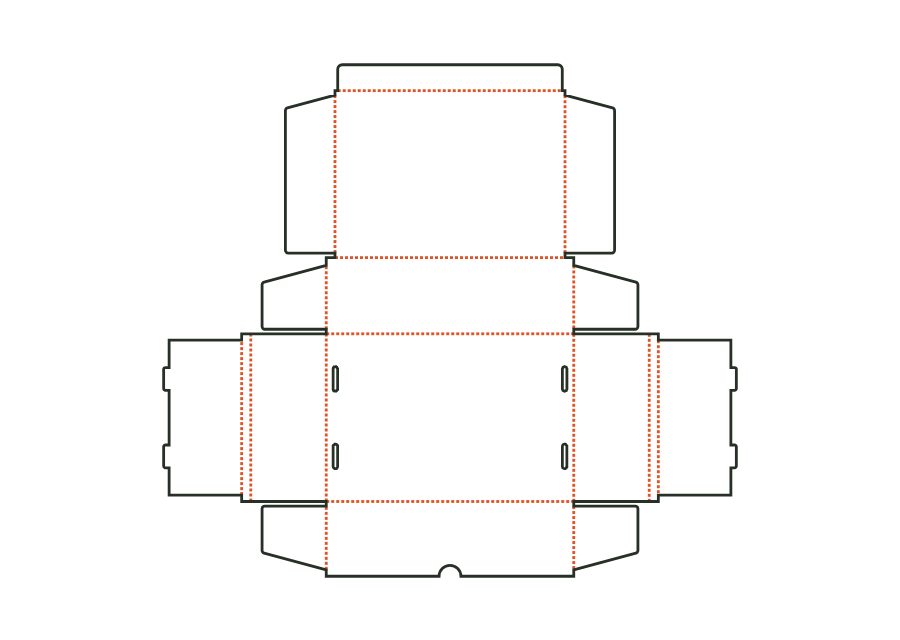
Shipping box with tuck lid and dust flaps made from E flute or microflute. Inside printing, double walls, and size series are part of the same construction.
corrugated.mailerView templateThe outer flaps each cover the entire opening at the top and bottom and overlap. Our corrugated construction calculates full coverage rather than just a narrow overlap strip.
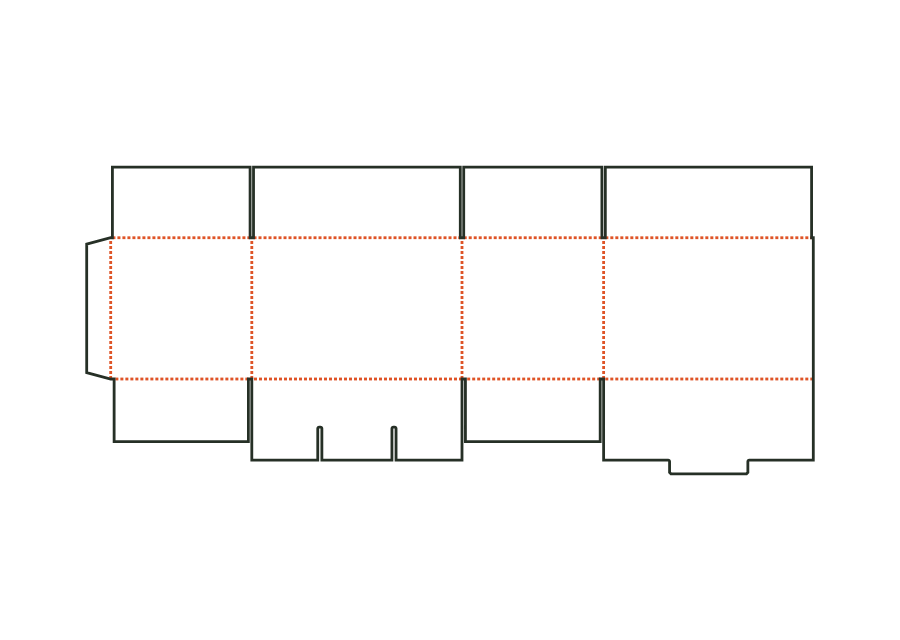
corrugated.rsc.fulloverlapView templateA snap-lock bottom closes this corrugated box without tape at the bottom. The top is selected separately: meeting flaps, fully overlapping flaps, or open.
corrugated.rsc.mixedView templateAn adjustable strip connects the outer flaps at the top and bottom. The template calculates flap lengths, material layers, and blank from box dimensions and the desired overlap.
corrugated.rsc.overlap.outerView templateWith JetDieline, choose a suitable template, adjust its size, and place text, logos, and images directly on your packaging.
Try your dimensions